G-Fest XXV Preview

by Nathan Marchand

We’re just one week away from G-Fest XXV!  The show will be held July 13-15 (with some preliminary events July 12) at the Crowne Plaza O’Hare in Rosemont, Illinois.

Brian and I will be part of several panels throughout the weekend, including a live episode we’ll be recording in the Kennedy Room Friday at 3pm (CST) titled, “Godzilla and the Japanese National Spirit.”  Besides that, here’s the rest of our panel schedule:

Brian: “Zilla’s 20th Birthday” – Friday 12pm (CST) Ballroom 1
Nate:   “Godzilla Stories” – Saturday 10am (CST) Kennedy Room
            “The Art of Kaiju Writing” – Saturday 1pm (CST) Kennedy Room
            “Pacific Rim 2” – Saturday 2pm (CST) Ballroom 1

We’ll have exclusive content for our Patreon supporters throughout the weekend, including pictures, videos, and other updates.  We’ll also give supporters exclusive early access to the recording of our panel either Friday night or Saturday morning.  If you’d like to be a part of that, become one of our patrons on Patreon!

If by some chance you don’t know what this is, here’s a brief description from the event’s website:

G-FEST is the largest regular gathering of Godzilla and Japanese monster fans in the world.  Held each summer, it typically attracts more than 1000 attendees, but has seen a gradual increase in attendance over the past few years.  G-FEST 2014 was the most successful convention to date, bringing in about 3000 Japanese science fiction and fantasy film fans!


G-FEST is a family-oriented convention which caters to a wide variety of interests within the kaiju genre.  G-FEST features presentations and Q & A sessions by actors and crew from the Japanese Godzilla films, fan presentations on topics of interest, contests and gaming, new and classic kaiju movies, the western world’s largest kaiju-oriented dealers room, and lots of fun and camaraderie.

The guests for this year include Megumi Odaka, who famously played psychic Miki Saegusa in the Heisei Godzilla films; suit actor Kenpachiro Satsuma, who’s best-known for playing Godzilla himself in all seven Heisei films; actor/wrestler/mixed martial artist Don Frye, who played Capt. Gordon in Godzilla: Final Wars; and suit and model maker Keizo Murase.

Sadly, due to surgery, the great Akira Takarada, the “godfather of G-Fest,” will not be able to attend.  We here at Kaijuvision Radio wish him a speedy recovery and hope he will return to the convention soon.

The nearby Pickwick Theatre will be screening kaiju films starting Thursday with The Valley of Gwangi and Dinosaurus! in the afternoon and then Mighty Peking Man and Pacific Rim: Uprising that evening.  There will be a screening of Rampage, starring Dwayne Johnson, Friday night and a special screening of Godzilla and Mothra: The Battle for Earth Saturday night with an introduction by Megumi Odaka (and, I assume, Satsuma-san).

We can’t wait to spend an exciting weekend with our fellow G-fans and kaiju lovers!

Regarding Our Groundbreaking Shin Godzilla Episode

By Brian Scherschel

Some reviews so far about our revolutionary Shin Godzilla episode:

Kyoei Toshi (one of our Patrons) (via Twitter): “Not only the best examination of Shin in English, but the single best podcast episode dealing with Godzilla ever done. These guys have done an incredible amount of preparation and research for their series on the Godzilla films, and it shows in the finished product. Well done!”

Geek Devotions (via Facebook): “Check out Kaijuvision Radio’s review of ‘Shin Godzilla’. It’s probably the most comprehensive and informative discussion on the film that we’ve had the opportunity to listen to. These guys did a great job breaking down the film!”

Ben Avery (host of the podcasts Strangers and Alien & Welcome to Level Seven): “Great job with ‘Shin Godzilla’. I did find it interesting that you seemed to be arguing with invisible people who didn’t like it. I kept saying, ‘I know! I agree!’ I’m just not part of the online fandom. Whenever you talked about fan response I found it very interesting.”

We expect this episode to significantly change how Shin Godzilla is discussed in the American fandom.

In our incredible, groundbreaking season finale episode on this film, we challenge some of the conventional wisdom in the American fandom about the movie’s politics. We are of the opinion that this movie is not nationalist propaganda. Patriotic, yes. Nationalistic, no. Militaristic, no.

We wholeheartedly embrace a Godzilla that changes over time, just as it always has. Since Shin Godzilla is about the here and now, we explain the situation Japan is in right now, and the challenges they face. Because of marketing (“Cool Japan”) and the exaggerated power that nostalgia has, we say in plain English just why we’re seeing these political issues in the movie.

Shin Godzilla is not all that different from many other movies in the series. It fits into current events and stays relevant. It helps people work through trauma. It channels the public’s outrage. It expresses the Japanese national spirit. Using only the military fails. There are many more reasons.

If we had received a heavily edited version of Shin Godzilla in America and then had to wait 30+ years for it to be released, fans would have been furious. However, the result of this is that the politics came through completely unfiltered. If we had to wait decades until seeing the political elements of the movie, the political messages would be dulled by the passage of time. This time around, we get the full impact, so it’s natural that some Americans would have a reaction to what they see.

Since Hideki Anno made this movie, and since it deals with complex issues, we should not mistake meditating on issues the same thing as endorsing positions. We don’t endorse any positions either, but we do explain what’s going on in the film with all of these issues. There is also a lot of satire in this movie right up against a lot of realism. We sort all of that out. I explain all of the bureaucratic elements of the movie because it’s such an important part of the movie. We then comprehensively examine the events of 3/11/2011 and its aftermath better than anyone in the Godzilla podcasting community. We link the timeline of the disasters to the events in the film as they unfold.

Anyone who’s in the American Godzilla fandom needs to hear what we have to say in this episode. I have a background in comparative politics and international affairs, and our perspective on the movie from that angle is impressive. It’s totally worth listening to.

You can listen to this amazing episode here.

2018 Fort Wayne Cherry Blossom Festival Recap

by Nathan Marchand

On May 20, Brian and I attended the Fort Wayne Cherry Blossom Festival, a local event that celebrates Japanese culture.  It was held at the main branch of the Allen County Public Library.  It’s essentially a free one-day convention.  This was the event’s 11th year.  As we’ve mentioned before, one of Fort Wayne’s sister cities is Takaoka, so it makes sense to hold a festival each year centered on Japan.  It was my second time at the event and Brian’s first.

As the event’s website proclaims, “Five hours…so little time and so much to do!”  That was definitely true.  We had to choose our activities carefully.

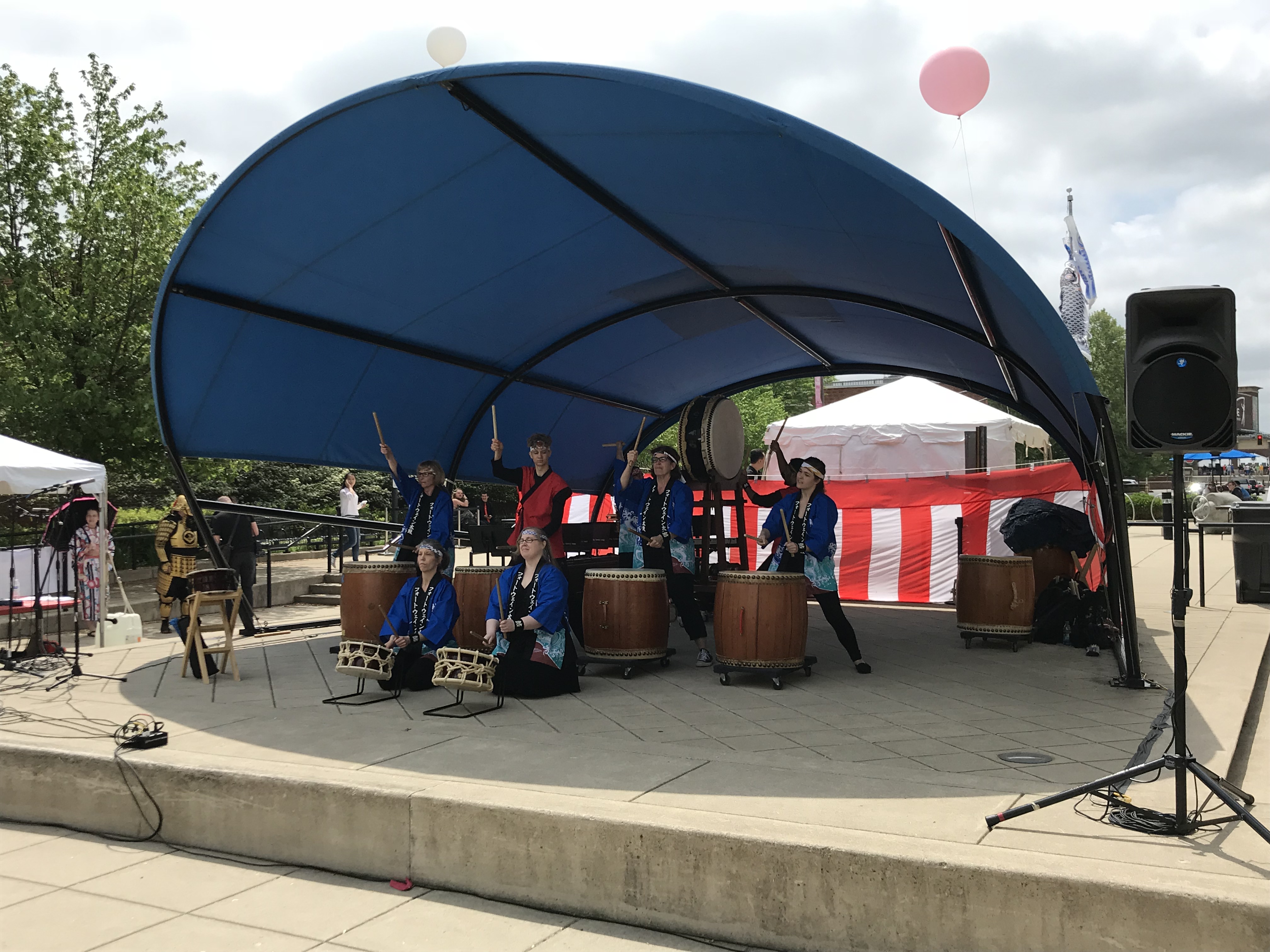
First, we watched a performance by Fort Wayne Taiko.  As explained on their website, “Taiko is a Japanese musical tradition that means ‘big drum.’ The large, hollow, skin-covered drums used in taiko are played vertically, horizontally or diagonally to create a range of vibrant rhythms. But taiko isn’t simply about sound. Its characteristic beat is achieved through choreographed arm movements, as drummers ‘dance’ their sticks from drum to drum.”  They’re the only such group in Fort Wayne and one of the few in the Midwest, which makes them unique in our area.  I love watching them. (Photo below by Nathan Marchand).

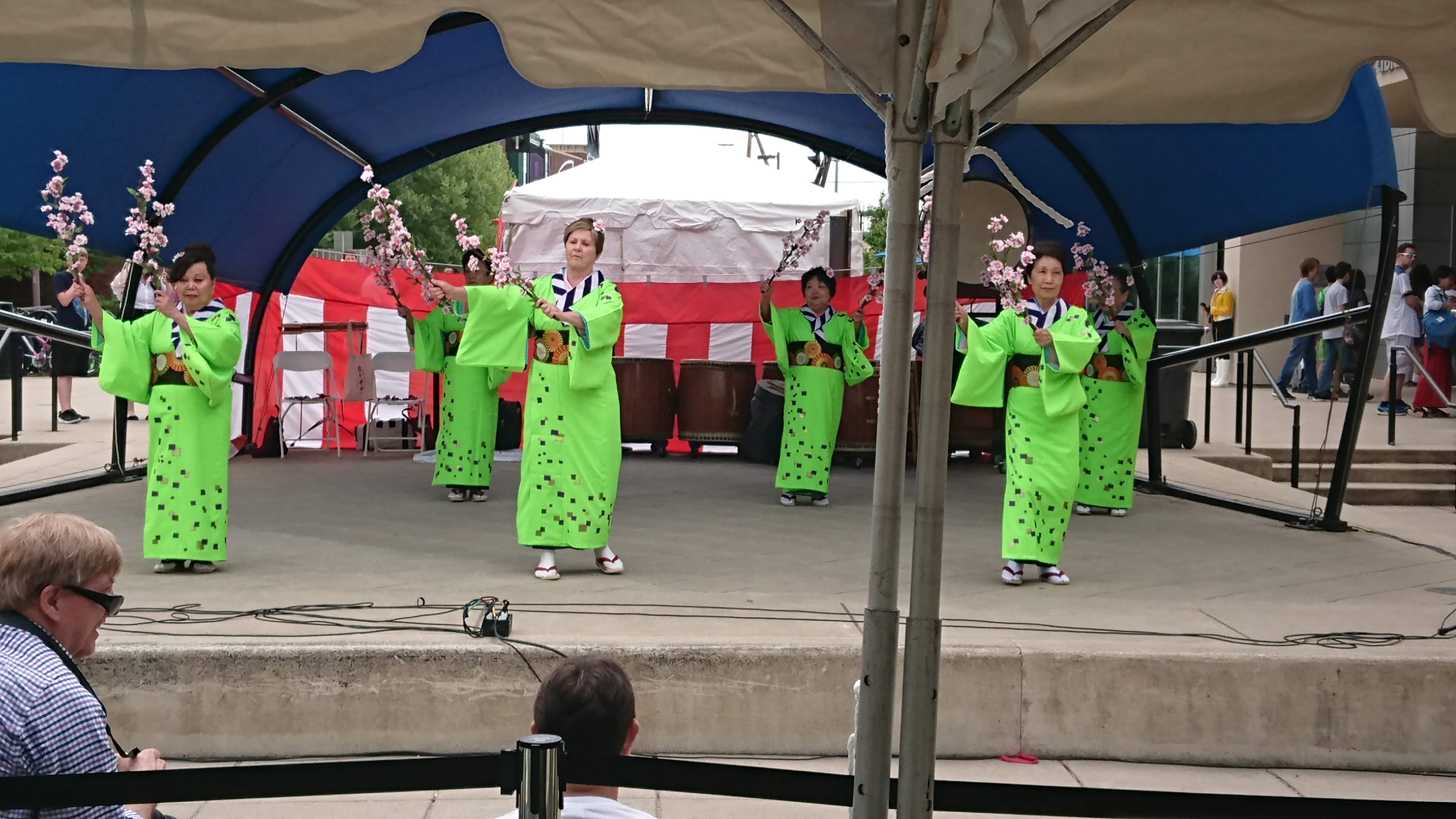
Next was the opening ceremony presided over by Fort Wayne’s mayor, Tom Henry, and Consul-General Naoki Ito.  After a quick lunch from some local Japanese restaurants, we watched a performance from the Minyo Club of Indianapolis.  Minyo is a style of Japanese folk music and dance originally practiced by people as they worked.

Minyo Club of Indianapolis.  (Photo by Brian Scherschel)

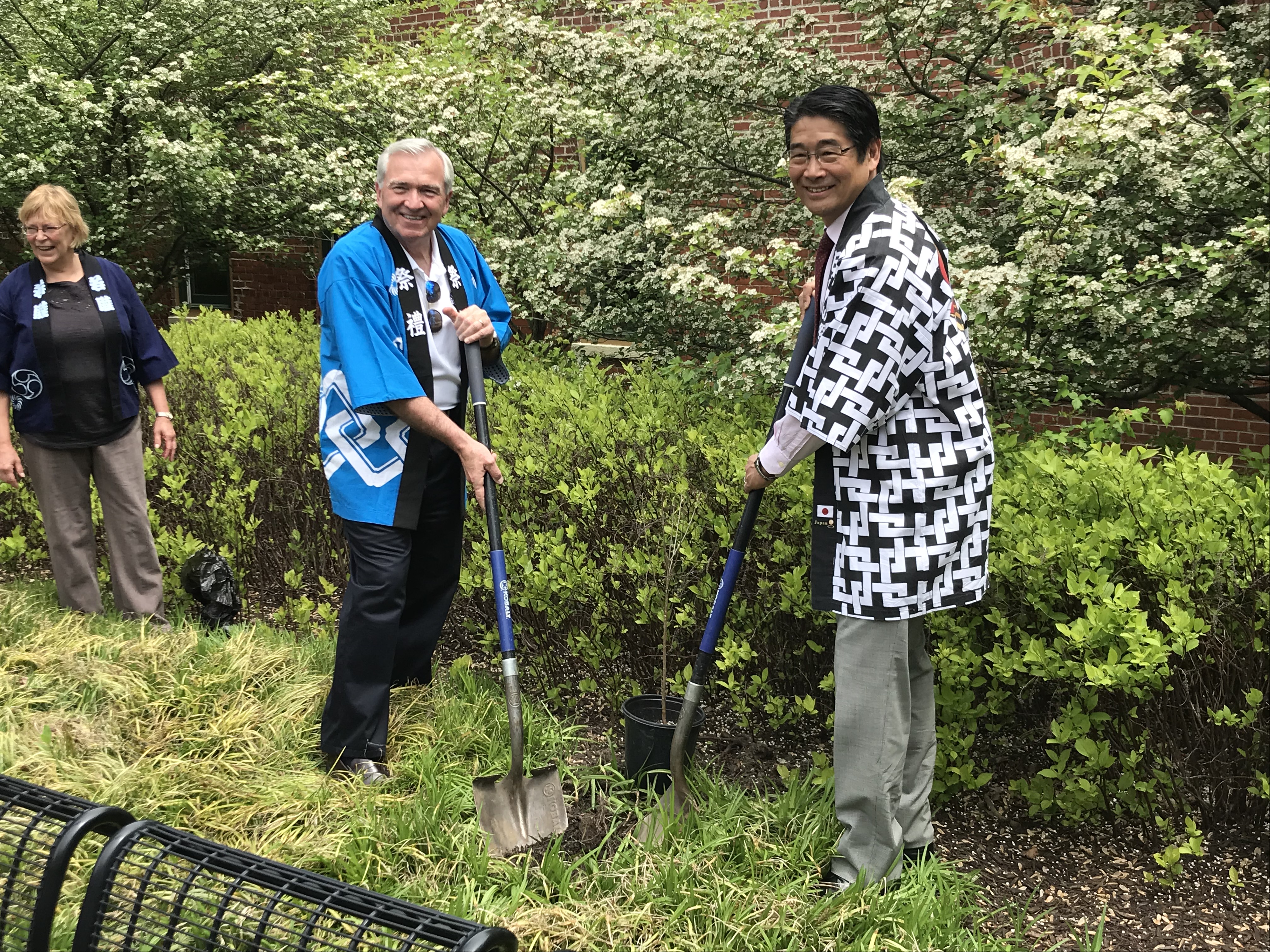
Next was one of the highlights of the day: the planting of a cherry blossom tree.  Consul-General Ito brought five that were to be planted all over the city, including one in front of the library.  Both he and Mayor Henry broke ground with shovels and Laura Stine of Laura Stine Gardens planted it.  (Photo below by Nathan Marchand).

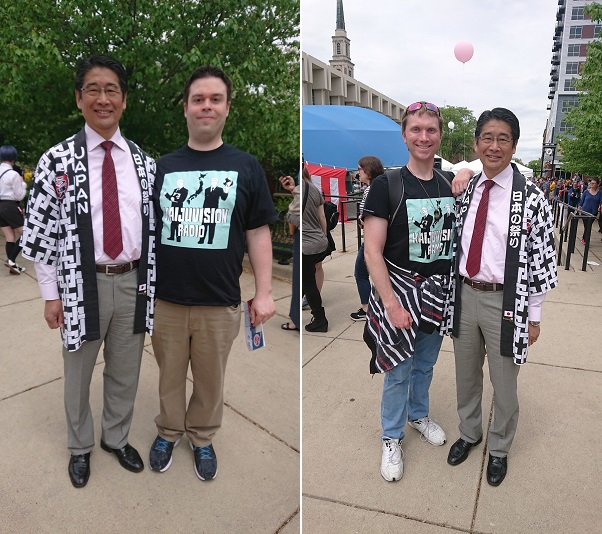
Afterward, we had the privilege of meeting Ito-san and telling him about our podcast.  He seemed impressed with our work and told us to keep it up.  It was also one of the few times I’ve seen Brian starstruck, and it was for a Japanese diplomat! (Which, honestly, isn’t surprising if you know Brian).

Brian (left) with Ito and me (right) with Ito.  (Left photo by Nathan Marchand, right photo by Brian Scherschel)

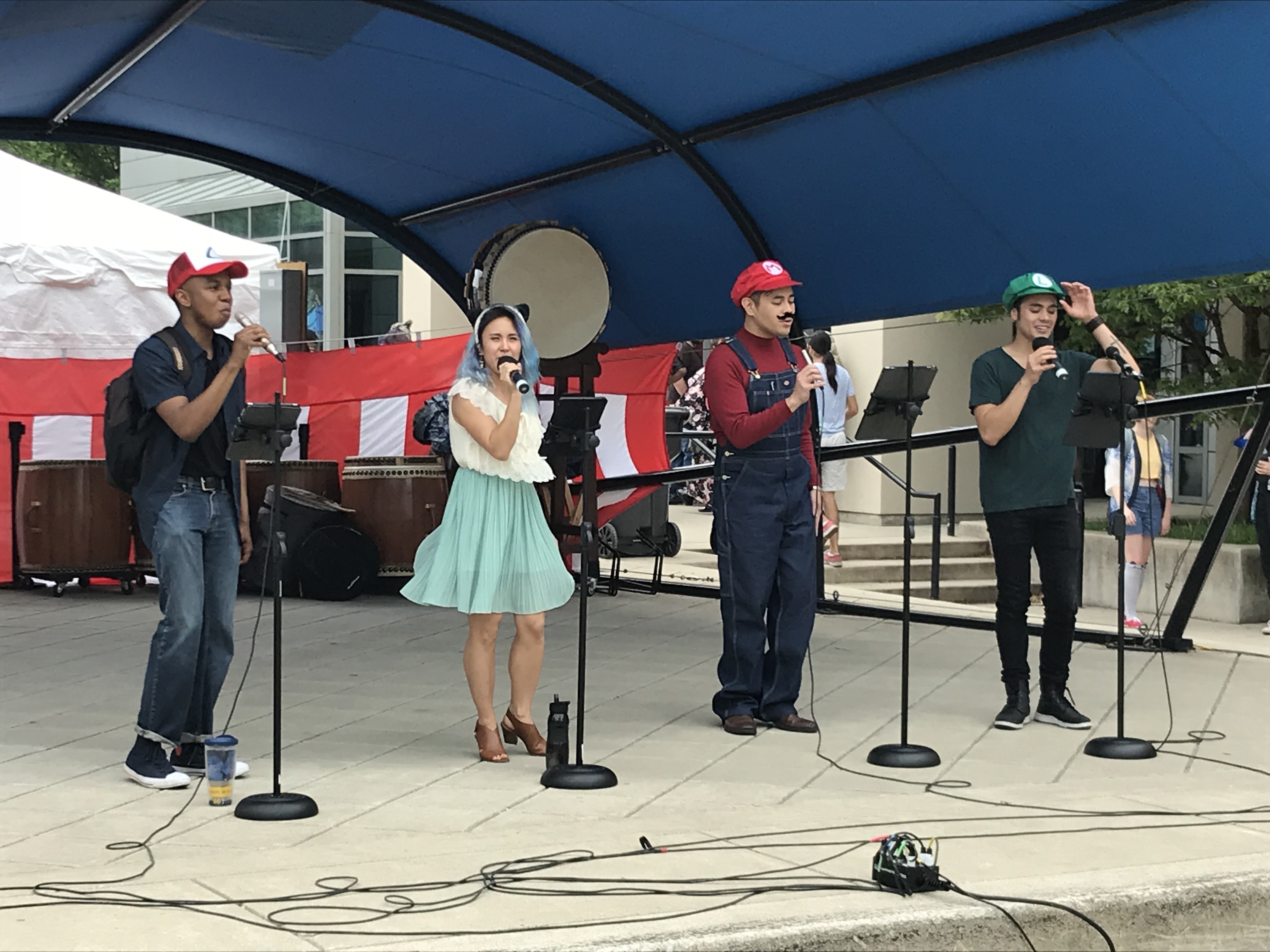
We next saw Heartland Sings, a local vocal group, perform acapella versions of several video game and J-pop songs.  My favorite was their Super Mario Bros. medley.  Interestingly, they went from the festival to a local church to perform liturgical songs. (Photo below by Nathan Marchand).

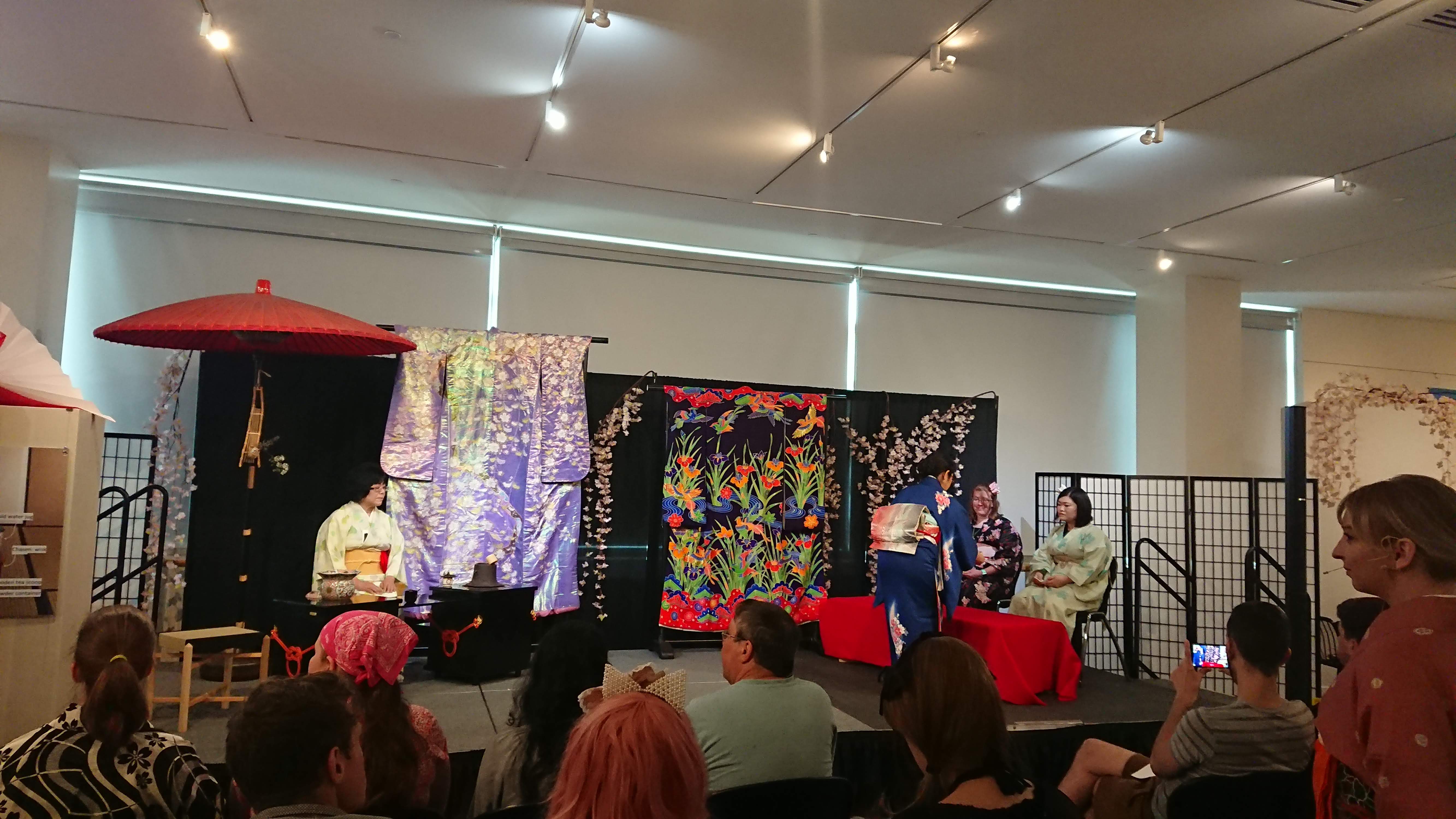
After mingling with the vendors, we attended an event Brian wanted to make sure we didn’t miss: the tea ceremony.  This is a tradition that goes back centuries and involves the ceremonial preparation and presentation of a powdered green tea called matcha.  We were able to watch a condensed version of the ceremony while a young woman, who was a student of tea master, explained everything.  It was fascinating to watch.

The Japanese tea ceremony.  (Photo by Brian Scherschel)

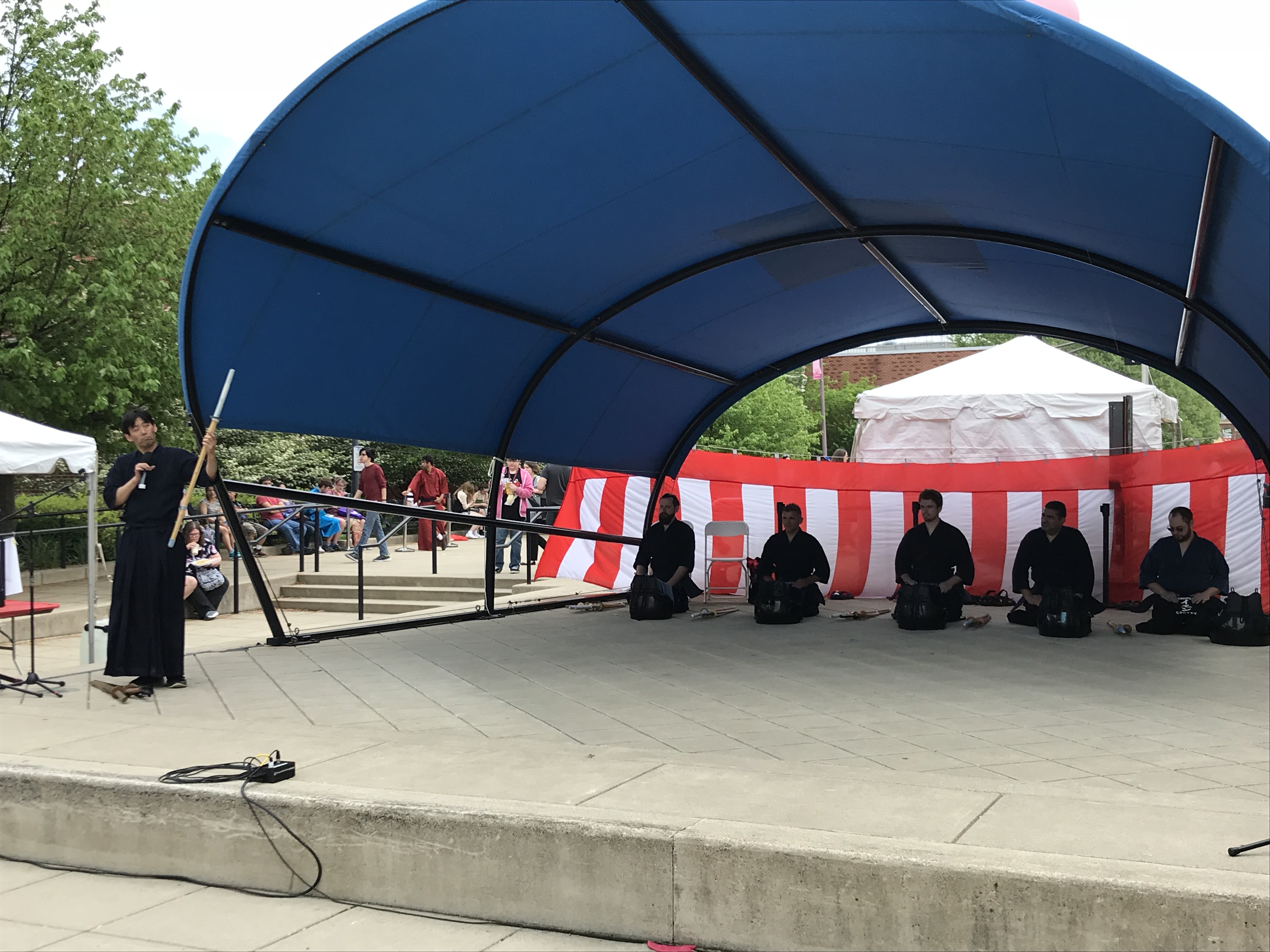
Then we saw a martial arts demonstration by the Indianapolis Kendo Club.  I’ve long been interested in martial arts, so I always make sure to watch demonstrations like this.  I was surprised at how noisy kendo is, but even that has the purpose of releasing the practitioner’s energy.  The most thought-provoking thing I learned was that a strike in kendo is only to illustrate that the practitioner has already won the fight. (Photo below by Nathan Marchand).

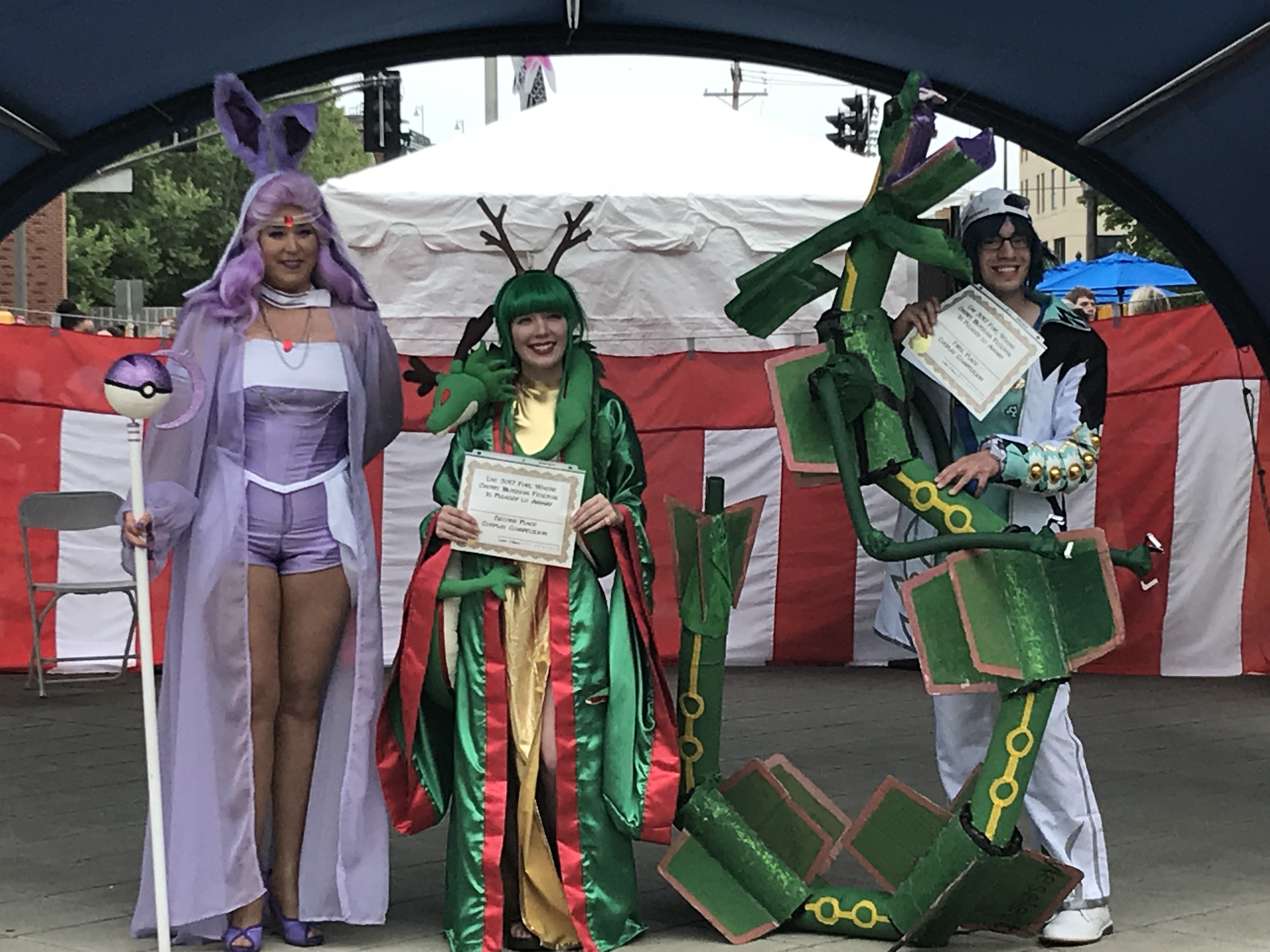
Brian left after that, but I stuck around for the cosplay contest.  This featured a parade of anime and video characters.  The top three consisted of two Pokemon characters and a female rendition of the dragon Shenron from DragonBall. (Photo below by Nathan Marchand).

Overall, it was a fun and educational experience.  Not unlike our podcast!


Sticky: Listen/Watch Here

Featured

News:

I wanted to just give everyone an update about my health. I am not doing well, and am facing a list of chronic medical conditions. It’s difficult to balance the need to get information out on one hand and privacy on the other. I will keep up my effort to get better.

Season 2 (episodes 38-now): Brian Scherschel chronologically, critically and academically examines a Godzilla/kaiju/tokusatsu film in each episode. Brian relates the movies to pertinent issues about Japan. Kaijuvision Radio is dedicated to discovering the Japanese National Spirit in Toho tokusatsu films.

Season 1 (episodes 1-37): Brian and co-host Nathan Marchand take a fascinating journey reassessing the Godzilla franchise, and since these movies are often anchored in the time they were released, they tell you what these movies are communicating about Japan.


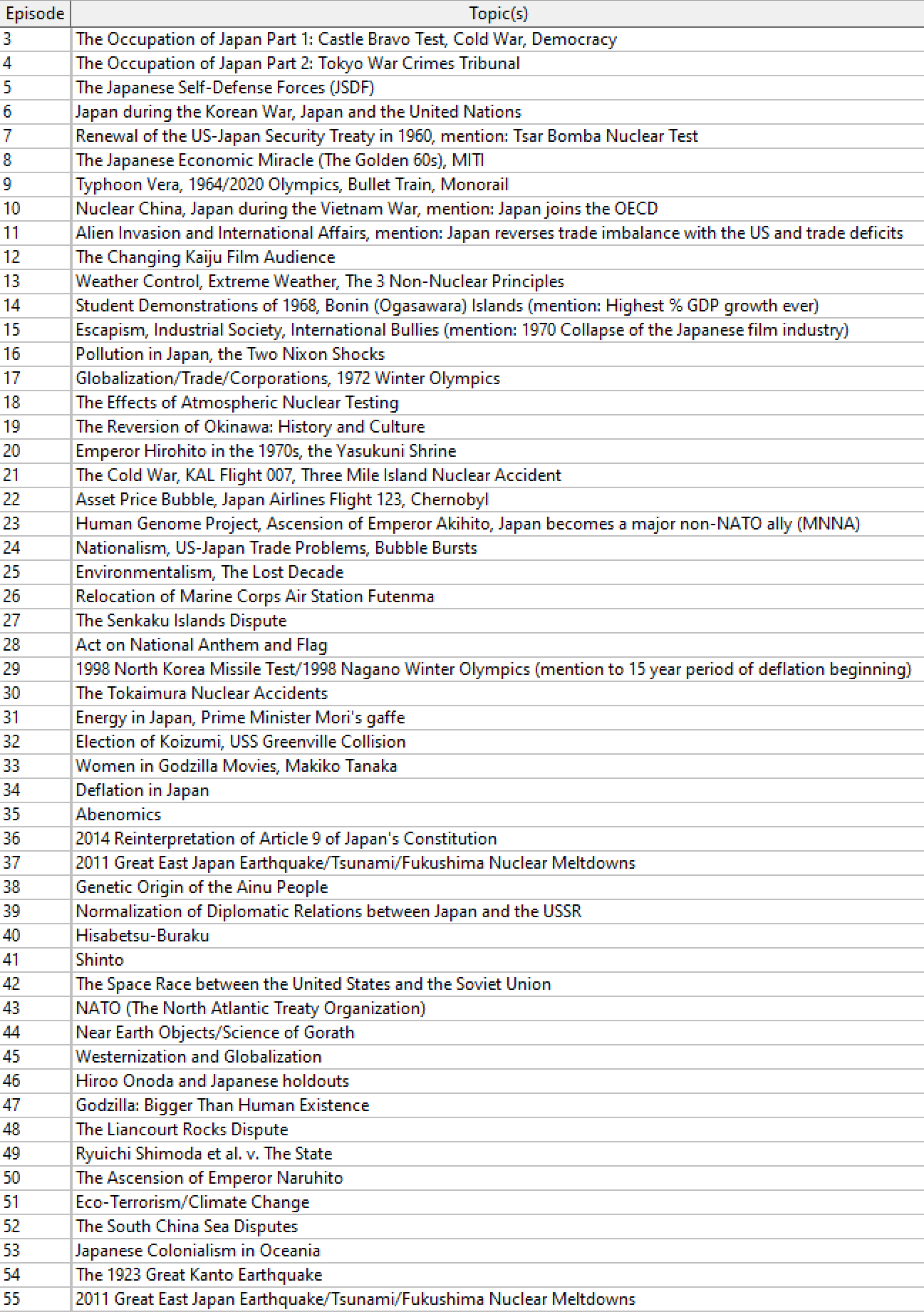
The Many Topics Covered in Kaijuvision Radio


Listen Here:


Over 40 different products now available at the Kaijuvision merchandise site on Redbubble!!

http://www.redbubble.com/shop/kaijuvision?search_type=search_box


Kaijuvision Radio’s 3-Part Format

Part 1: A short description (not a summary) of the movie.  It’s an analysis tailored to kaiju movies, to arm the listener with the facts.  At last, a way to compare these movies to each other.

Part 2: With the facts out of the way, I will analyze and give my opinions on the film.

Part 3: A brand new, one-of-a-kind fusion of international affairs and movie analysis.  Japan-related topic(s) either brought up by the movie, or going on at the time the movie was released.  Topics are historical, political, economic, or cultural.

3 Weeks Until G-Day: Godzilla DVD/Blu-Ray Guide, Part 2 – Heisei Series, Millennium Series, and Beyond

(Continued from Part One).

Long before Hollywood rebooted Godzilla (twice), Toho did it three times themselves. These later eras of the franchise are called the Heisei Series (1984-1995) and the Millennium Series (1999-2004). The current era started in 2016 with Shin Godzilla.

Godzilla movies get easier to find on DVD/Blu-Ray with these films since the distribution rights have been owned by fewer companies. Only two of these films were released stateside before 1998 when Tristar released them on home media as a tie-in with the 1998 remake (at least something good came of that, right?)

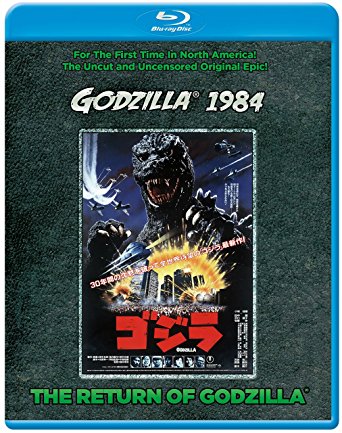
The Return of Godzilla/Godzilla 1985

Kraken Releasing

This one is complicated. Like with the 1954 Gojira, a heavily-edited “Americanized” version of this 1984 reboot was produced by New World Pictures. It was the only version available commercially in the states for decades. However, thanks to legal entanglements, the American version has only ever been released on VHS. But now thanks to Kraken Releasing, the original Japanese version has been made available. It was so popular, it ranked number one on Amazon’s foreign film sales for a while. The only extras are trailers for Kraken’s other Godzilla Blu-rays.

Buy it here.

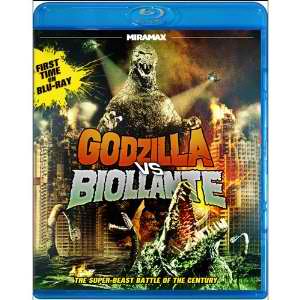
Godzilla vs. Biollante

Echo Bridge Home Entertainment

While Godzilla 1985 would remain the only G-film released theatrically in the States for 15 years, Miramax did release this 1989 sequel on HBO and video in 1992. Heck, it’s one of the few widescreen VHS tapes I’ve seen. However, after being out-of-print for years, the film was released on DVD and Blu-Ray a few years ago. It has dual language tracks, widescreen presentation, and a few special features that seem as though they were taken from a Japanese DVD (including a making-of feature). It’s gotten a bit pricey, though.

Buy it here. (Or here with two free Asylum B-movies).

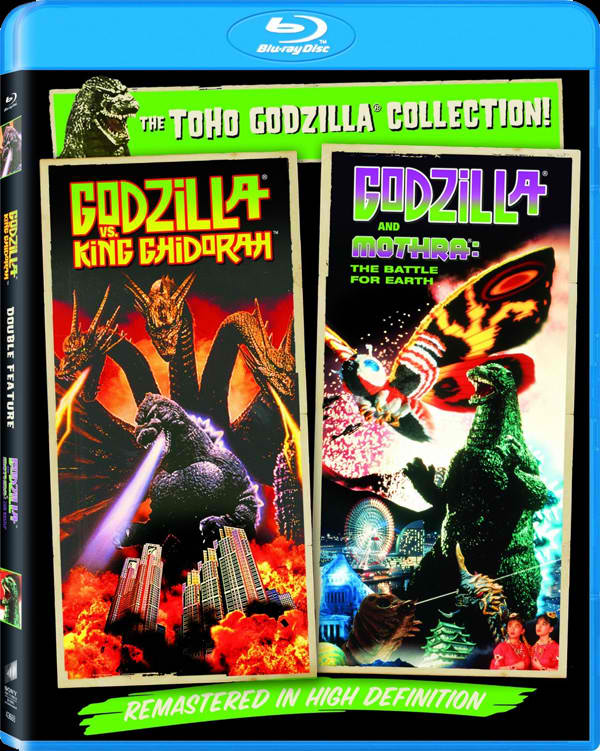
Godzilla vs. King Ghidorah/Godzilla vs. Mothra (1992) (aka Godzilla and Mothra: Battle for Earth)

Sony Pictures

As tie-ins with Gareth Edwards’ reboot, Sony released nearly a dozen modern G-films on Blu-Ray. These two were packaged together in a two-disc set. Unlike their previous DVD releases, they’re in widescreen and have dual language tracks. Sadly, the only special features included are several of the films’ trailers.

Buy it here.

Godzilla vs. Mechagodzilla II/Godzilla vs. SpaceGodzilla

Sony Pictures


After some oddball DVD editions, Sony released these films on Blu-Ray in 2014 as a two-disc Blu-Ray set. It’s the same as Sony’s other G-film Blu-Rays: widescreen, dual language tracks, and several trailers (including one where clever editing makes it look like Godzilla fights robots from the Toho sci-fi film Gunhed).

Buy it here.

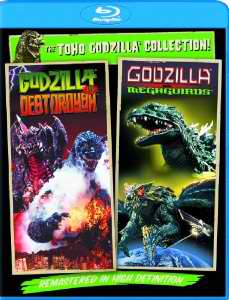
Godzilla vs. Destoroyah/Godzilla vs. Megauirus

Sony Pictures

This is yet another oddity from Sony. This set includes the last film of the Heisei series and the second entry of the Millennium Series. While the pairing makes no sense, it’s an improvement over the previous DVD releases. As usual, the films are in widescreen, have dual language tracks, and include trailers.

Buy it here.

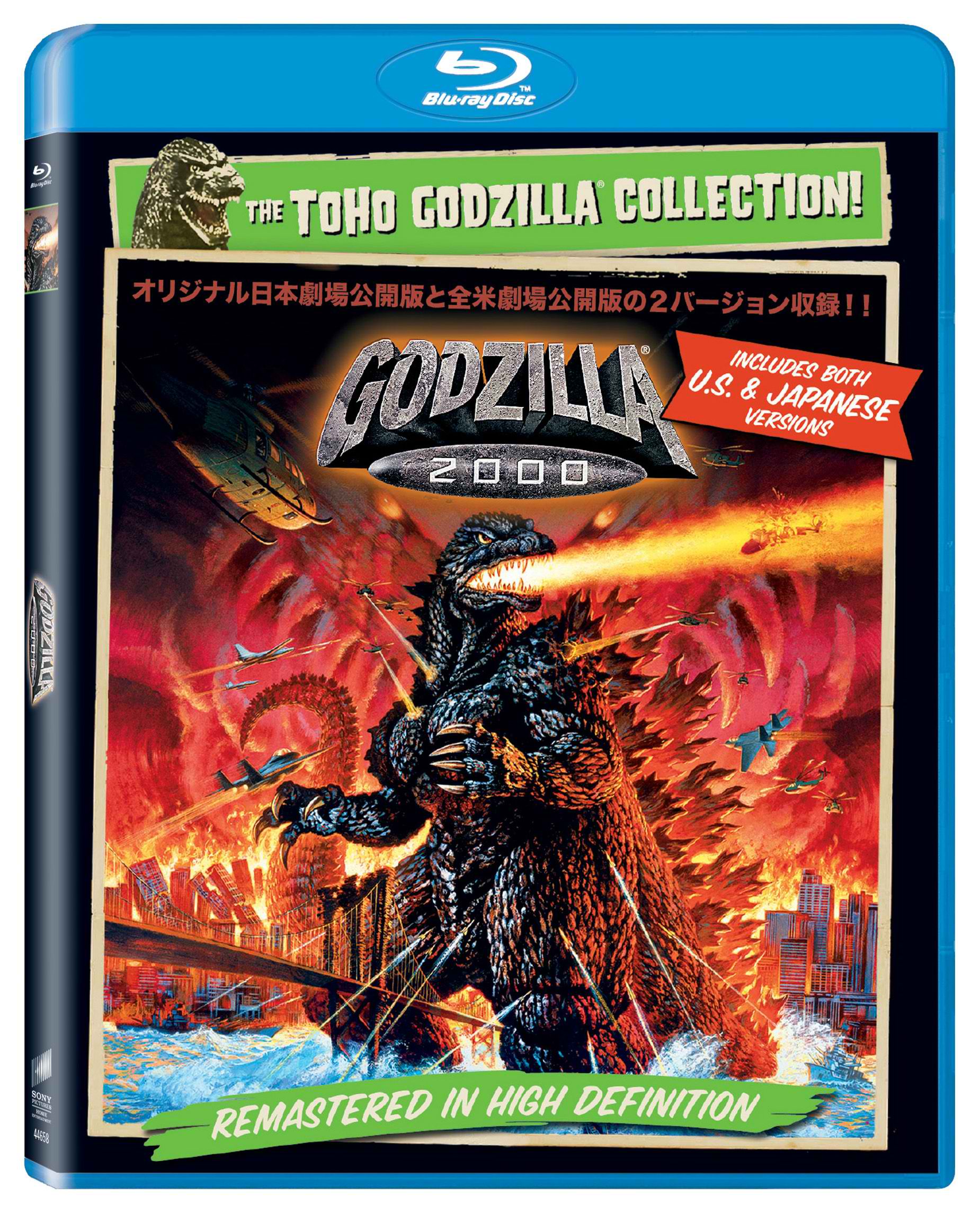
Godzilla 2000 (aka Godzilla 2000: Millennium)

Sony Pictures

Since it was released theatrically, this remains the only Millennium Series film to get a solo Blu-Ray in the U.S. It includes widescreen editions of both the original Japanese version and the slightly re-edited dubbed version of the film (the former being released stateside for the first time with this). The special features are mostly the same as the previous 2000 DVD, including trailers, behind-the-scenes footage, and an informative commentary by the team that dubbed it.

Buy it here.

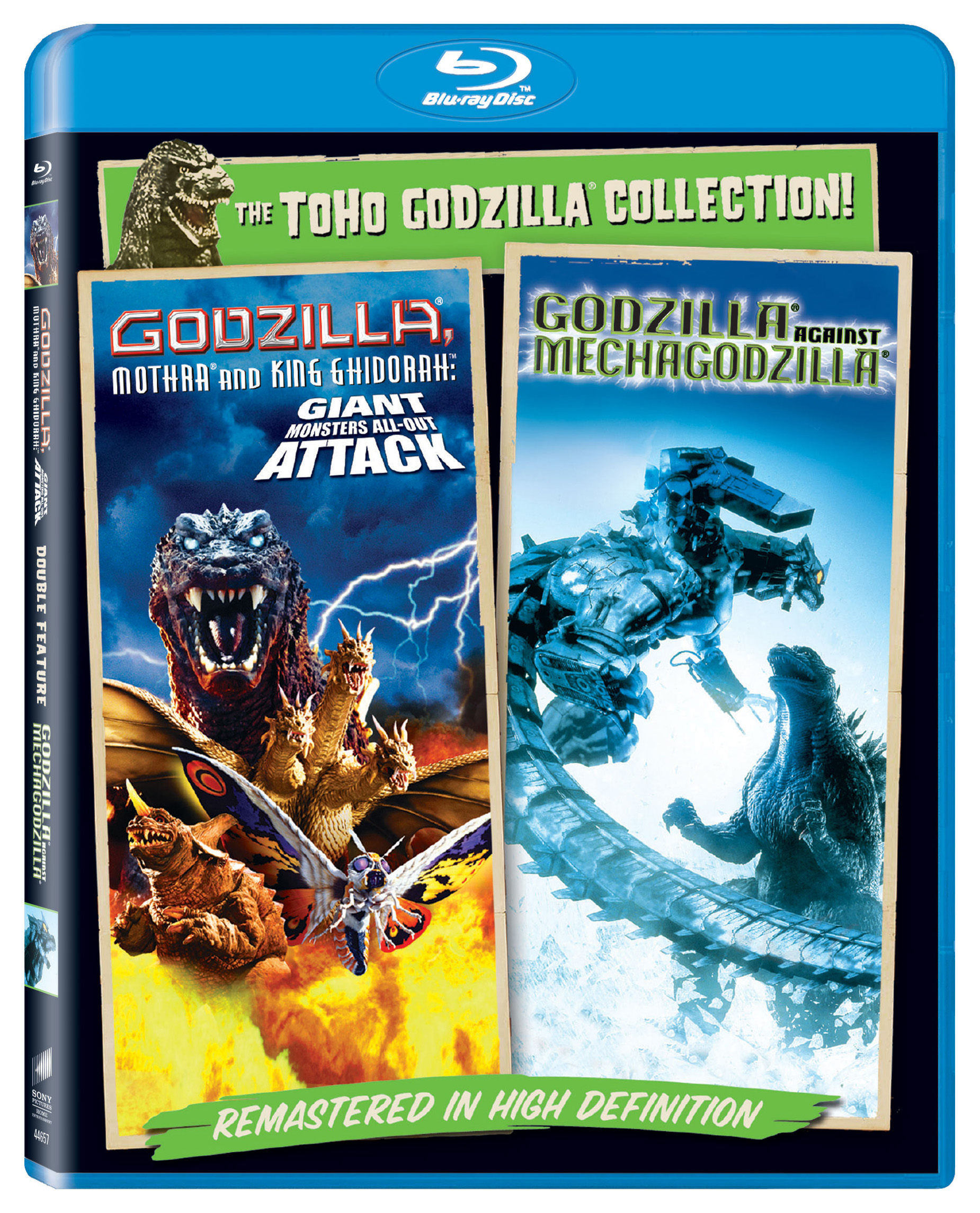
Godzilla, Mothra, King Ghidorah: Giant Monsters All-Out Attack/Godzilla Against Mechagodzilla

Sony Pictures

The film with the insanely long “retro” title and the first of the popular Kiryu Mechagodzilla films were released together in a Blu-Ray two-pack. Like their previous DVD releases, it features widescreen presentation and dual language tracks. I hear the subtitles for GMK are improved from its DVD. The only special features are a few trailers.

Buy it here.

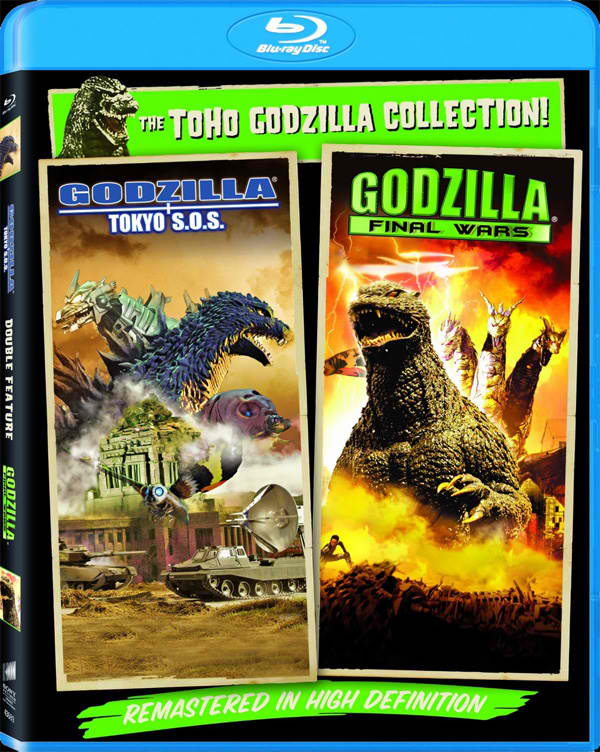
Godzilla: Tokyo S.O.S./Godzilla: Final Wars

Sony Pictures

The final entries in the Millennium Series were packaged together. Like the 2004 Sony DVDs, it has widescreen presentation and dual language tracks, although the subtitles are transcriptions of the dubbed dialogue (including an instance where there was added dialogue in the dubbing). However, besides a few trailers for other films (including some other Godzilla releases), it features a 22-minute behind-the-scenes featurette that showcases the special effects techniques used in both films. Neither feature music or narration, though, which makes them a bit boring.

Buy it here.

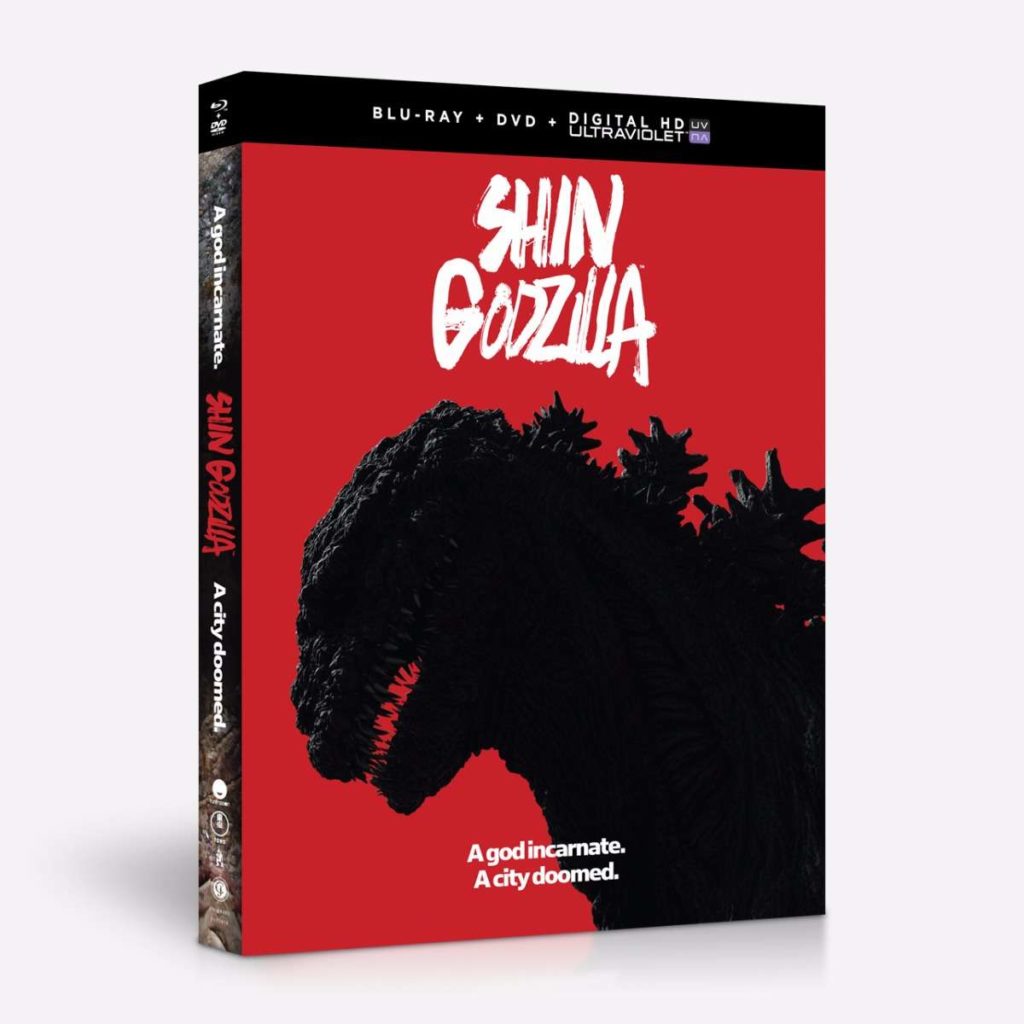
Shin Godzilla (aka Godzilla: Resurgence)

Funimation Films

I almost didn’t include this film because it was just released, making it quite easy to find. Honestly, it’s here just for the sake of completeness. The newest Godzilla film was given a limited theatrical run by Funimation Films (which normally distributes anime) in the U.S. last year. They finally put out a Blu-ray and DVD for the film August 1. It has great picture and audio, dual language tracks, and the infamous abundance of subtitles. The only special feature besides some trailers is “Godzilla vs. the Nerds,” a 33-minute interview with some of the Funimation crew that worked on the U.S. release.

Buy it here.

So my guide to collecting Godzilla DVDs and Blu-Rays comes to an end. I hope you found it helpful.

For more detailed reviews of these DVDs and Blu-rays, I highly recommend the website www.TohoKingdom.com. You’ll also find reviews of many of Toho’s other genre films on the site.

Remember, you have three weeks to start watching these films so you can follow along with Brian and I when Kaijuvision Radio launches !