3 Weeks Until G-Day: Godzilla DVD/Blu-Ray Guide, Part 2 – Heisei Series, Millennium Series, and Beyond

(Continued from Part One).

Long before Hollywood rebooted Godzilla (twice), Toho did it three times themselves. These later eras of the franchise are called the Heisei Series (1984-1995) and the Millennium Series (1999-2004). The current era started in 2016 with Shin Godzilla.

Godzilla movies get easier to find on DVD/Blu-Ray with these films since the distribution rights have been owned by fewer companies. Only two of these films were released stateside before 1998 when Tristar released them on home media as a tie-in with the 1998 remake (at least something good came of that, right?)

The Return of Godzilla/Godzilla 1985

Kraken Releasing
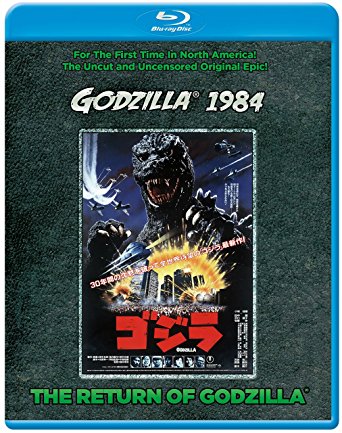
This one is complicated. Like with the 1954 Gojira, a heavily-edited “Americanized” version of this 1984 reboot was produced by New World Pictures. It was the only version available commercially in the states for decades. However, thanks to legal entanglements, the American version has only ever been released on VHS. But now thanks to Kraken Releasing, the original Japanese version has been made available. It was so popular, it ranked number one on Amazon’s foreign film sales for a while. The only extras are trailers for Kraken’s other Godzilla Blu-rays.

Buy it here.

Godzilla vs. Biollante

Echo Bridge Home Entertainment
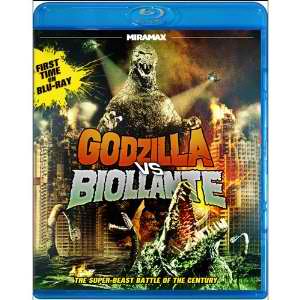
While Godzilla 1985 would remain the only G-film released theatrically in the States for 15 years, Miramax did release this 1989 sequel on HBO and video in 1992. Heck, it’s one of the few widescreen VHS tapes I’ve seen. However, after being out-of-print for years, the film was released on DVD and Blu-Ray a few years ago. It has dual language tracks, widescreen presentation, and a few special features that seem as though they were taken from a Japanese DVD (including a making-of feature). It’s gotten a bit pricey, though.

Buy it here. (Or here with two free Asylum B-movies).

Godzilla vs. King Ghidorah/Godzilla vs. Mothra (1992) (aka Godzilla and Mothra: Battle for Earth)

Sony Pictures
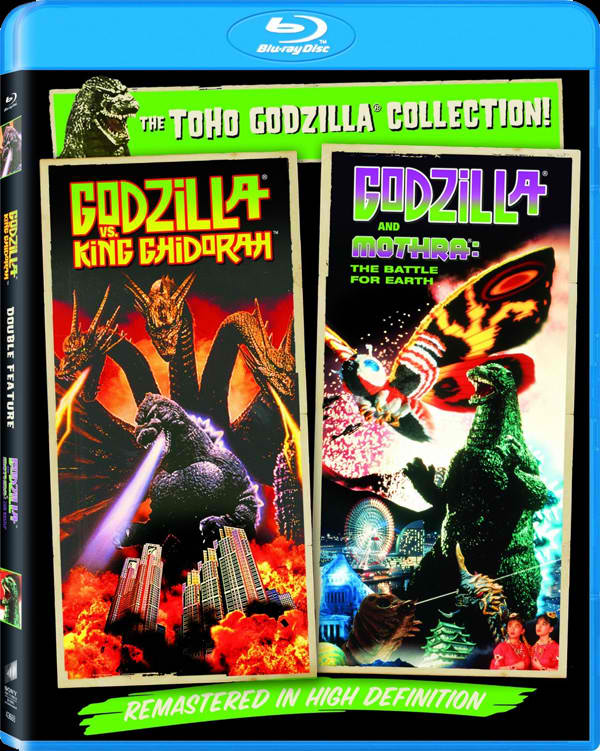
As tie-ins with Gareth Edwards’ reboot, Sony released nearly a dozen modern G-films on Blu-Ray. These two were packaged together in a two-disc set. Unlike their previous DVD releases, they’re in widescreen and have dual language tracks. Sadly, the only special features included are several of the films’ trailers.

Buy it here.

Godzilla vs. Mechagodzilla II/Godzilla vs. SpaceGodzilla

Sony Pictures


After some oddball DVD editions, Sony released these films on Blu-Ray in 2014 as a two-disc Blu-Ray set. It’s the same as Sony’s other G-film Blu-Rays: widescreen, dual language tracks, and several trailers (including one where clever editing makes it look like Godzilla fights robots from the Toho sci-fi film Gunhed).

Buy it here.

Godzilla vs. Destoroyah/Godzilla vs. Megauirus

Sony Pictures
This is yet another oddity from Sony. This set includes the last film of the Heisei series and the second entry of the Millennium Series. While the pairing makes no sense, it’s an improvement over the previous DVD releases. As usual, the films are in widescreen, have dual language tracks, and include trailers.

Buy it here.

Godzilla 2000 (aka Godzilla 2000: Millennium)

Sony Pictures
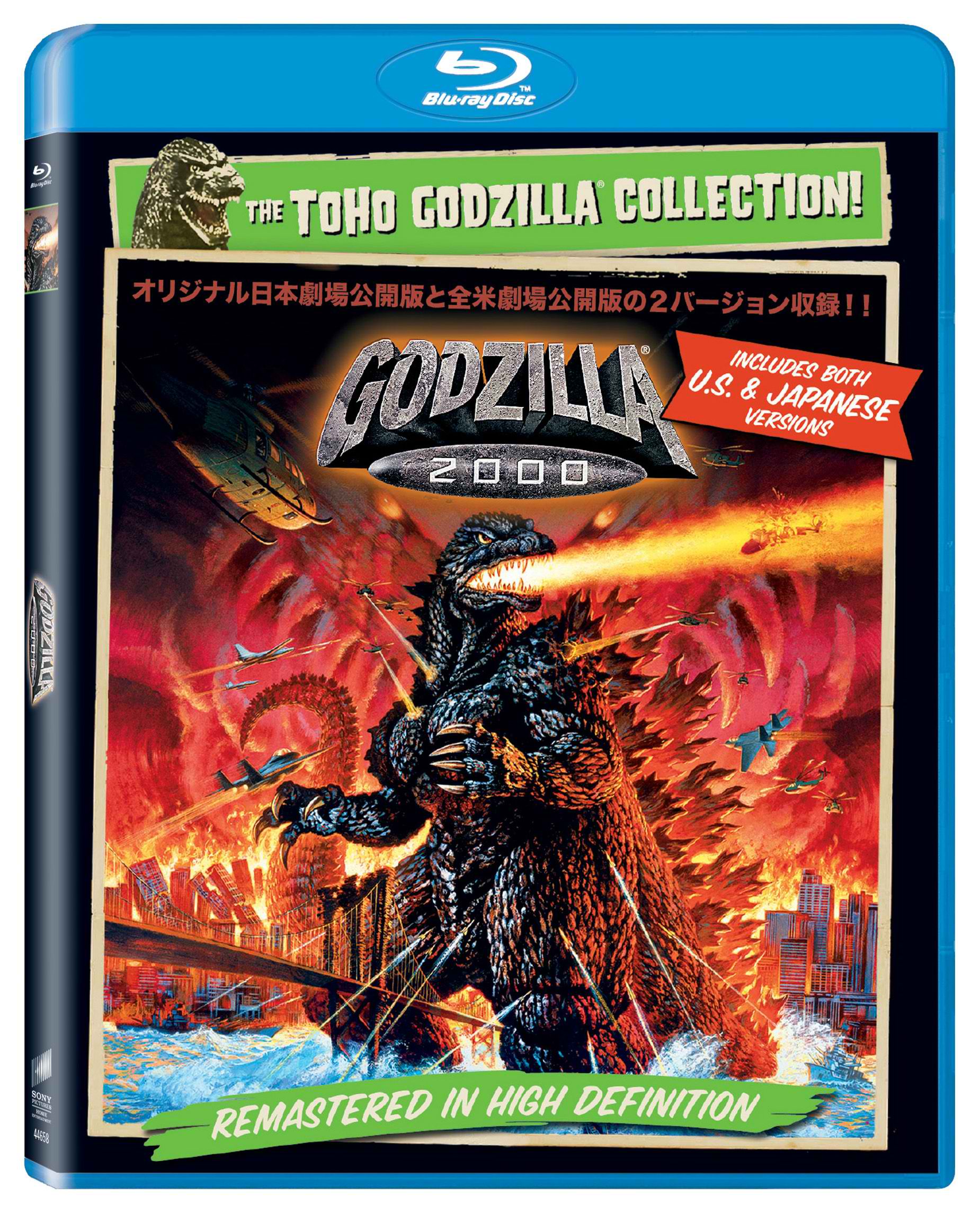
Since it was released theatrically, this remains the only Millennium Series film to get a solo Blu-Ray in the U.S. It includes widescreen editions of both the original Japanese version and the slightly re-edited dubbed version of the film (the former being released stateside for the first time with this). The special features are mostly the same as the previous 2000 DVD, including trailers, behind-the-scenes footage, and an informative commentary by the team that dubbed it.

Buy it here.

Godzilla, Mothra, King Ghidorah: Giant Monsters All-Out Attack/Godzilla Against Mechagodzilla

Sony Pictures
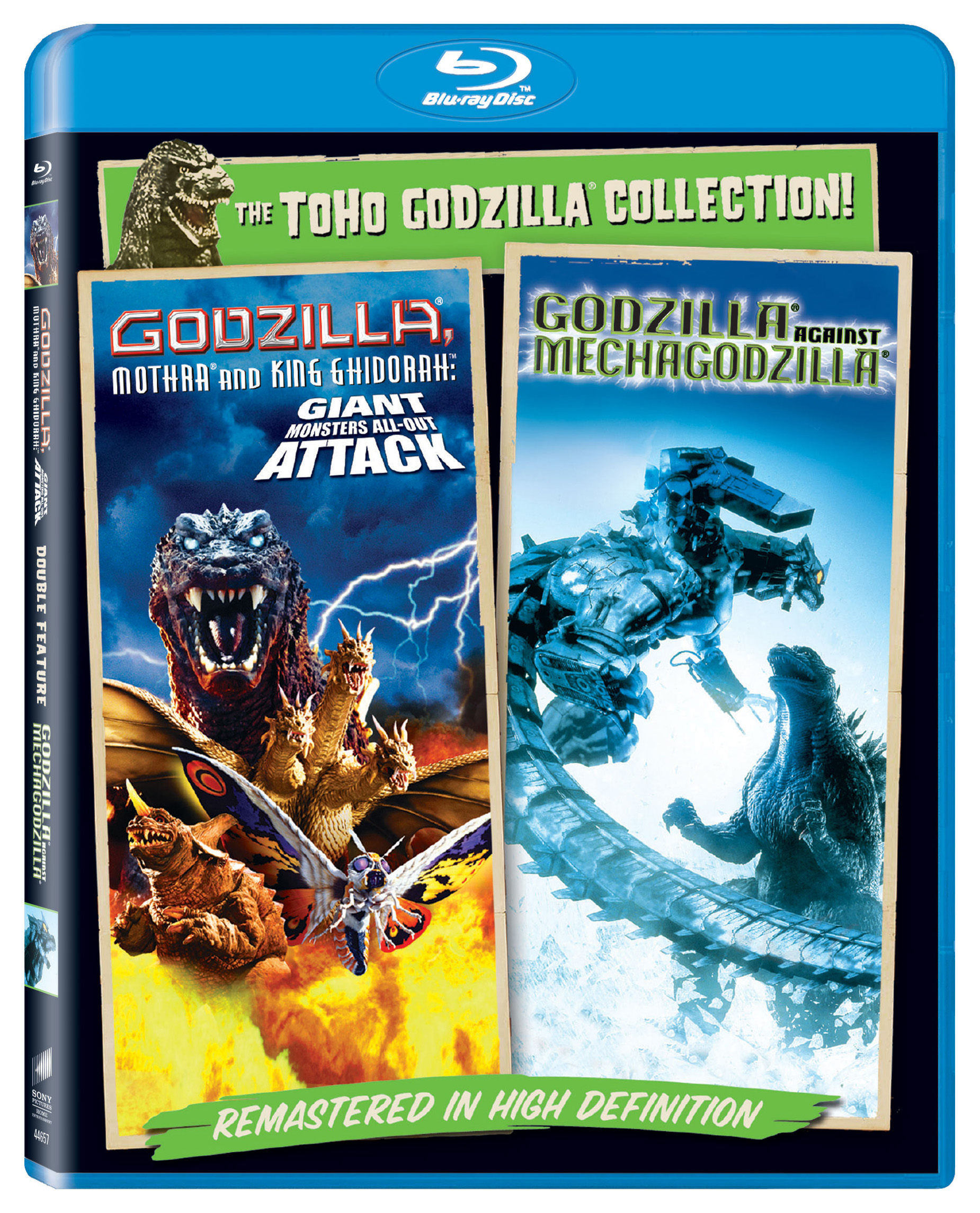
The film with the insanely long “retro” title and the first of the popular Kiryu Mechagodzilla films were released together in a Blu-Ray two-pack. Like their previous DVD releases, it features widescreen presentation and dual language tracks. I hear the subtitles for GMK are improved from its DVD. The only special features are a few trailers.

Buy it here.

Godzilla: Tokyo S.O.S./Godzilla: Final Wars

Sony Pictures
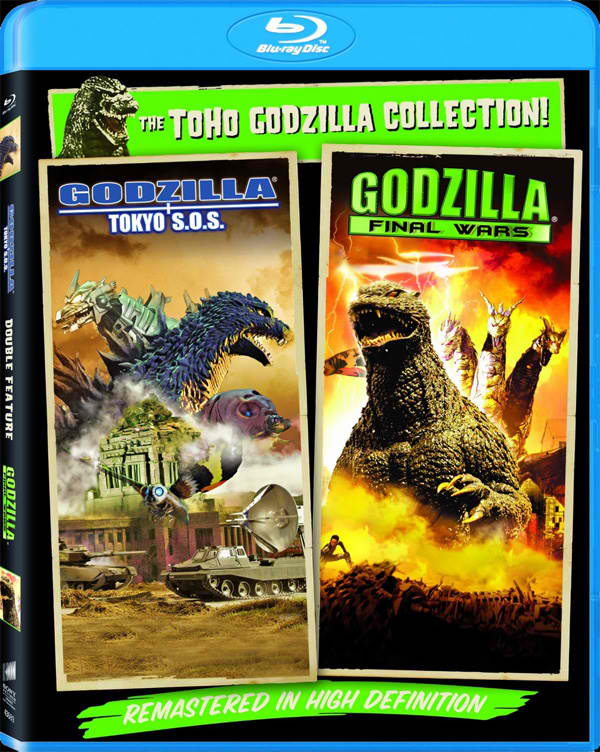
The final entries in the Millennium Series were packaged together. Like the 2004 Sony DVDs, it has widescreen presentation and dual language tracks, although the subtitles are transcriptions of the dubbed dialogue (including an instance where there was added dialogue in the dubbing). However, besides a few trailers for other films (including some other Godzilla releases), it features a 22-minute behind-the-scenes featurette that showcases the special effects techniques used in both films. Neither feature music or narration, though, which makes them a bit boring.

Buy it here.

Shin Godzilla (aka Godzilla: Resurgence)

Funimation Films
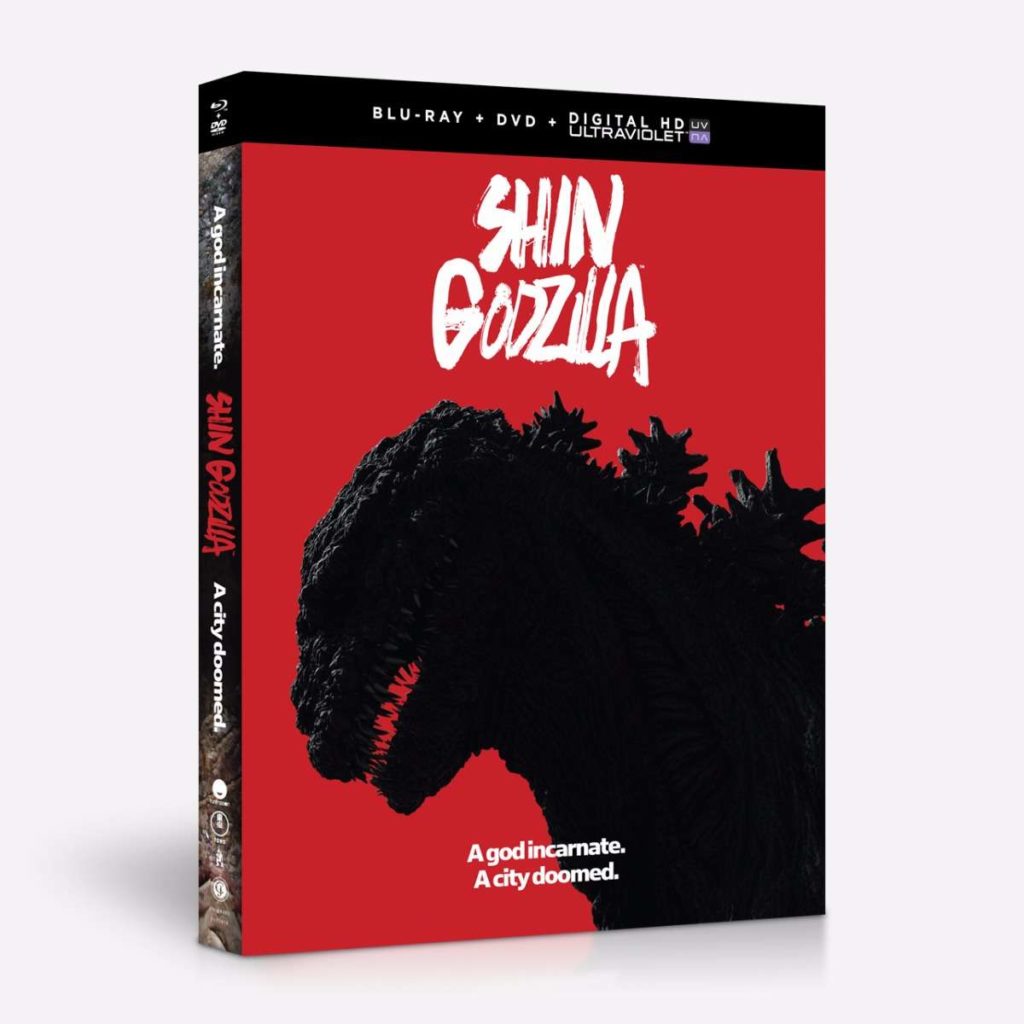
I almost didn’t include this film because it was just released, making it quite easy to find. Honestly, it’s here just for the sake of completeness. The newest Godzilla film was given a limited theatrical run by Funimation Films (which normally distributes anime) in the U.S. last year. They finally put out a Blu-ray and DVD for the film August 1. It has great picture and audio, dual language tracks, and the infamous abundance of subtitles. The only special feature besides some trailers is “Godzilla vs. the Nerds,” a 33-minute interview with some of the Funimation crew that worked on the U.S. release.

Buy it here.

So my guide to collecting Godzilla DVDs and Blu-Rays comes to an end. I hope you found it helpful.

For more detailed reviews of these DVDs and Blu-rays, I highly recommend the website www.TohoKingdom.com. You’ll also find reviews of many of Toho’s other genre films on the site.

Remember, you have three weeks to start watching these films so you can follow along with Brian and I when Kaijuvision Radio launches !
4 Weeks Until G-Day: Godzilla DVD/Blu-Ray Guide, Part 1 – The Showa Era

Four weeks until G-Day!

With that in mind, I wanted to make it easier for you, dear listeners, to find the Godzilla films so you can follow along with us.  We live in a wonderful time and place where both the original Japanese and English-dubbed versions of these films can be purchased (with a few exceptions, as you’ll see).

There are 29 Japanese films in total, plus two American films (so far). Unfortunately, unlike other long-running franchises like the James Bond series, these films aren’t all owned by the same distributor.  Toho, the studio that created Godzilla, has divvied out the rights to several U.S. companies for the years, which makes collecting these films a bit difficult.  I will be presenting you with what I think are the best editions of each film. There are lots of bootlegs out there. Accept no substitutes!

With Godzilla becoming more popular, more titles may be re-released in the future, so this guide may soon become outdated.  Unfortunately, some of these DVDs/Blu-rays have gone out of print, so the prices have increased.  However, many of them are available on streaming services like Amazon Video.

I’m excluding both of the American remakes, both of which are easy to find.

Part one of this guide will focus on the original Showa series (1954-1975) and part two will be on the Heisei (1984-1995) series and the Millennium series (1999-2004).

You can read the fuller version of this guide on the GigaGeek Magazine website, although it’s no longer publishing articles. (Part 1, Part 2, Part 3, Part 4).

Here we go!

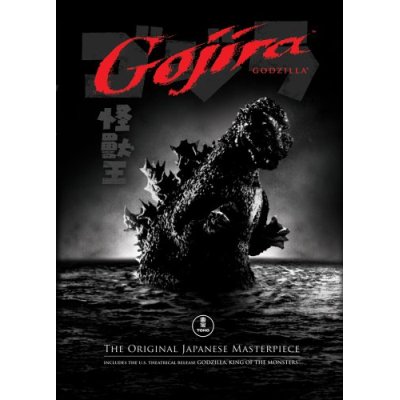
Gojira/Godzilla, King of the Monsters!

Classic Media

Classic Media’s DVD includes both versions of the film presented in their proper aspect ratios.  It features several retrospective making-of documentaries and commentaries on both versions.  Unfortunately, the Blu-Ray edition Classic Media released later only included the original Japanese version and no special features. Regardless, the DVD is a must-have.

Buy it here by itself or here as part of the excellent seven-film set with the other Classic Media releases.

Criterion Collection (Recommended!)

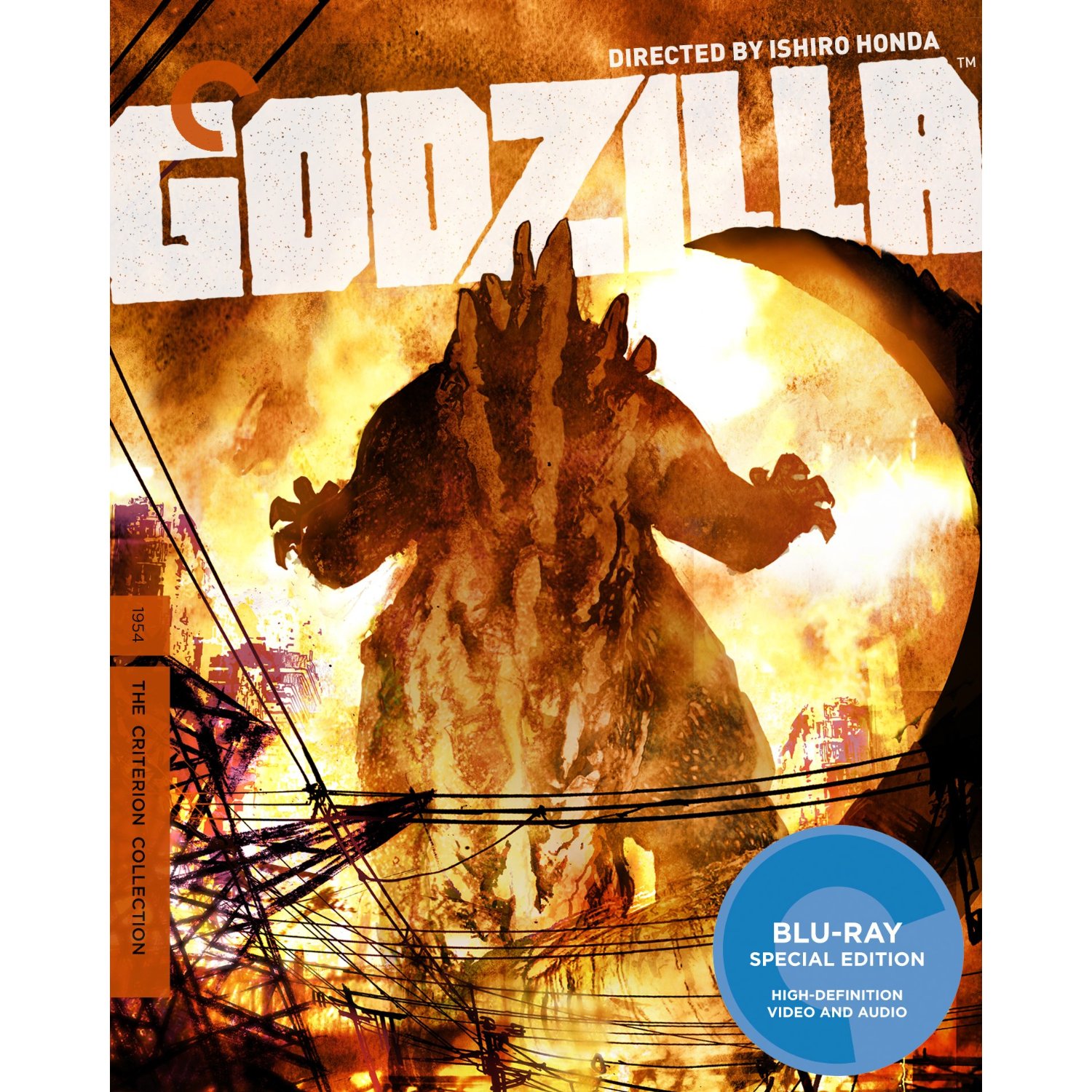
Gojira was added to the prestigious Criterion Collection in 2011 with this Blu-Ray. It includes both versions of the films in nearly identical presentations as the Classic Media discs.  However, what may convince you to buy it is the completely new special features, including new commentaries and an interview with cast and crew members. This one is a bit pricier since Criterion only has limited print runs for their releases. It’s worth it, though.

Buy it here.

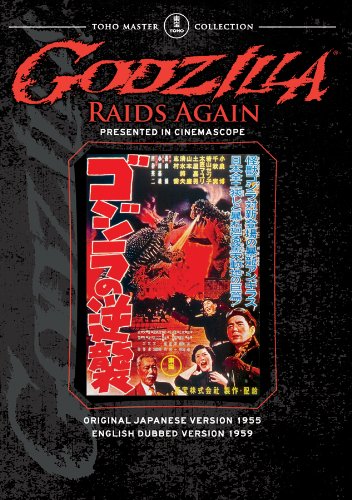
Godzilla Raids Again

Classic Media

Arguably the rarest of the G-films, Godzilla Raids Again was out of print on VHS for years until the mid-2000s when it was released on DVD by Classic Media.  It includes both the original and U.S. versions of the film and a handful of special features, including a humorous commentary.

Buy it here.

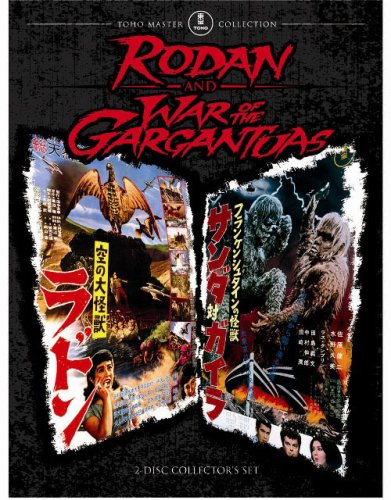
Rodan

Classic Media

Classic Media followed up their Godzilla releases with this excellent DVD set that included both Rodan and War of the Gargantuas, both of which had been long out of print.  It has both the Japanese language and dubbed versions of both films as well as the excellent documentary “Bringing Godzilla Down to Size.”

Buy it here.

Mothra (1961)

Columbia Pictures

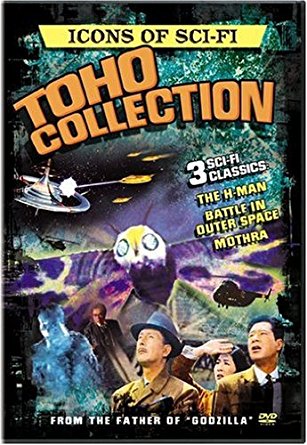
The original Mothra was finally released on DVD by Columbia Pictures several years ago as part of a three-disc set called Icons of Sci-Fi: Toho Collection.  It also included two other tokusatsu films directed by Ishiro Honda, The H-Man and Battle in Outer Space.  This set includes the original Japanese and dubbed versions of each film and has a commentary on Mothra and Battle in Outer Space.  (Mill Creek Entertainment recently released the dubbed version of this film as part of a four-film set, but unless you want those other movies, stick with this one).

Buy it here.

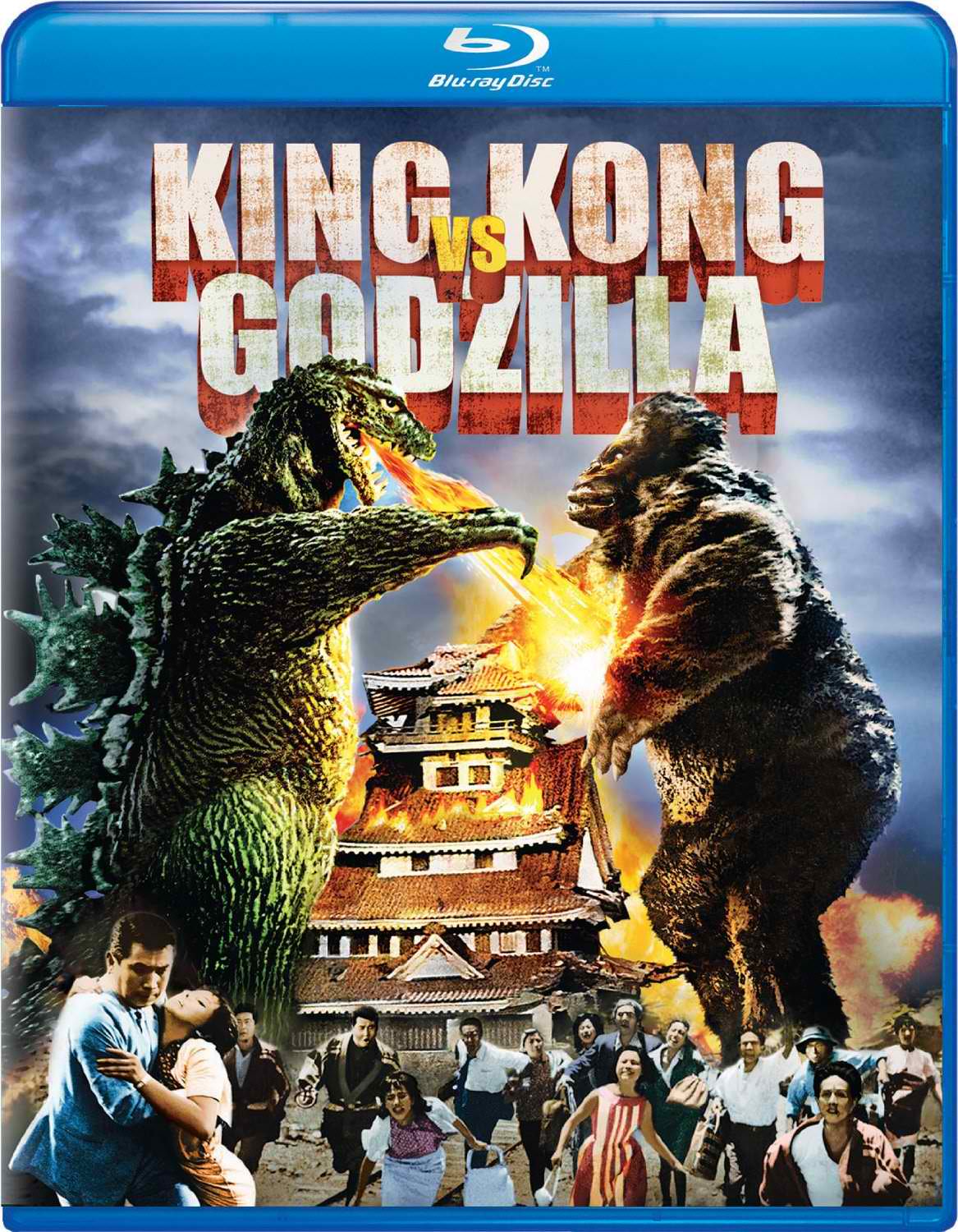
King Kong vs. Godzilla

Universal Studios

Universal owns the rights to several of King Kong’s films, so they released this DVD several years ago and then re-released it on Blu-Ray.  The film is in widescreen, but it only includes the dubbed version and has no special features.  Unless there’s a future release that includes the original Japanese version in widescreen, this is the one you want.  However, you can track down the Japanese version, which Brian and I recommend you do.

Buy it here.

Mothra vs. Godzilla (aka Godzilla vs. Mothra and Godzilla vs. the Thing)

Classic Media

While Classic Media’s other releases aren’t as prestigious as Gojira, they still gave fans what they always wanted.  It includes both versions of the film plus a commentary, a slideshow, and a biography on Godzilla music composer Akira Ifukube.

Buy it here.

Ghidorah, the Three-Headed Monster

Classic Media

After being out of print on VHS for years, Classic Media released this noteworthy entry in the series on DVD in the mid-2000s.  This is the first appearance of Godzilla’s archenemy Ghidorah and marks Big G’s shift to heroism.  Like other Classic Media releases, it includes both versions of the film, a commentary, and a few other special features.

Buy it here.

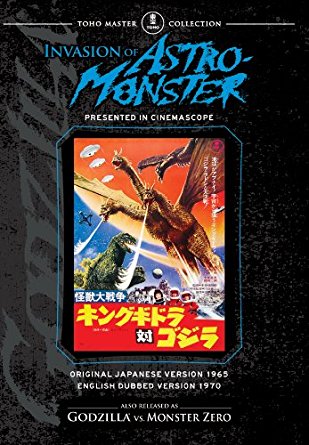
Invasion of Astro-Monster (aka Godzilla vs. Monster Zero, Monster Zero)

Classic Media

Classic Media does it right again.  Both versions of the films, a commentary, and a few other nice special features.  It’s amusing to watch the Japanese version of this since American actor Nick Adams is dubbed in Japanese.  Also, kudos for using the original Japanese posters as the cover art.

Buy it here.

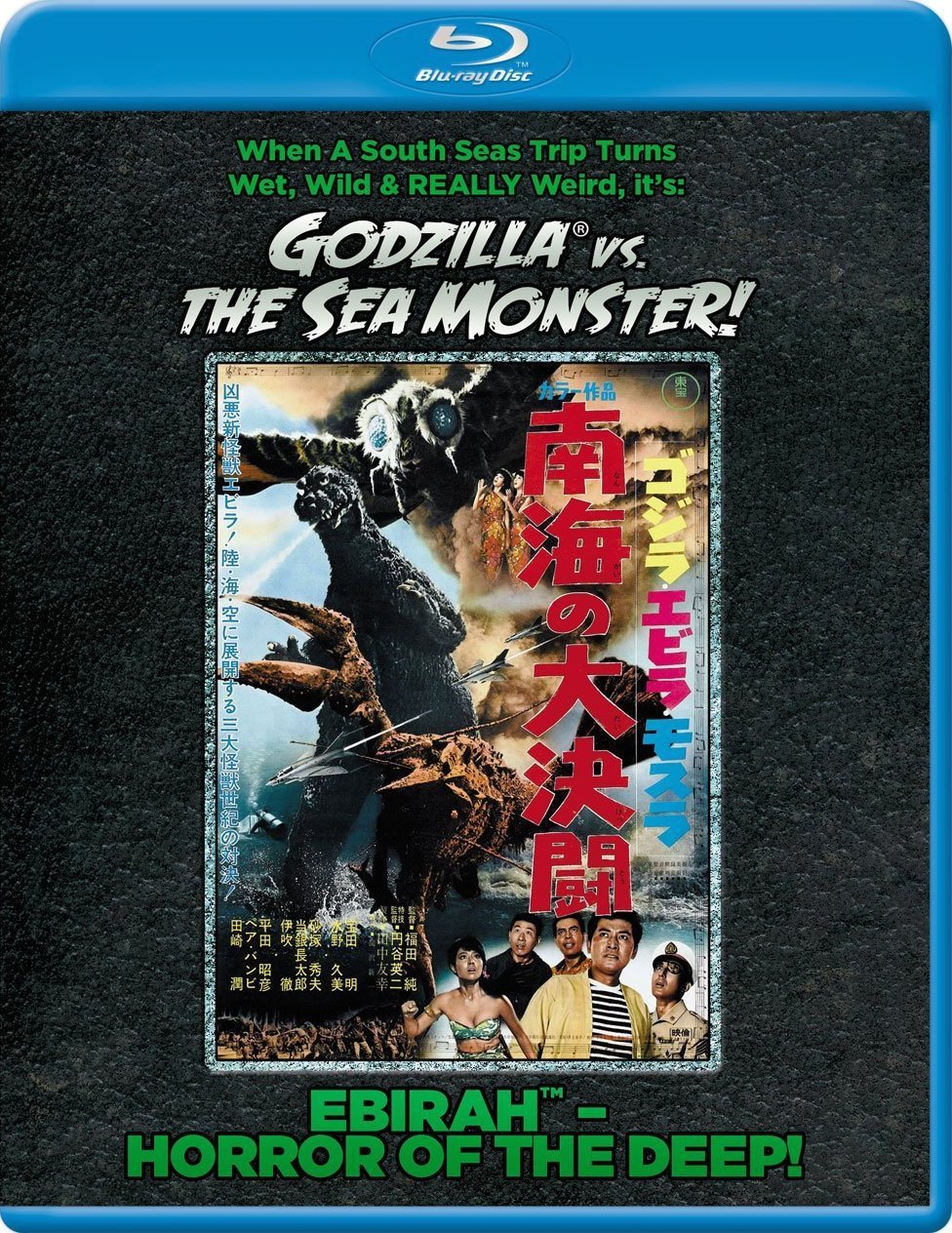
Ebirah, Horror of the Deep (aka Godzilla vs. the Sea Monster)

Sony

After being a staple on VHS, Sony released this cheesy entry on DVD in the mid-2000s. The cool thing is this is the original Japanese cut of the film and can be watched in the original language or a new English dub. No special features, though.  This is the edition I own.

Buy it here.

Kraken Releasing (Recommended!)

If you’d rather have the film on Blu-Ray, Kraken Releasing has that for you.  It’s pretty much the same as the Sony DVD except it has the film’s original Japanese trailer.  This is the edition Brian owns.

Buy it here.

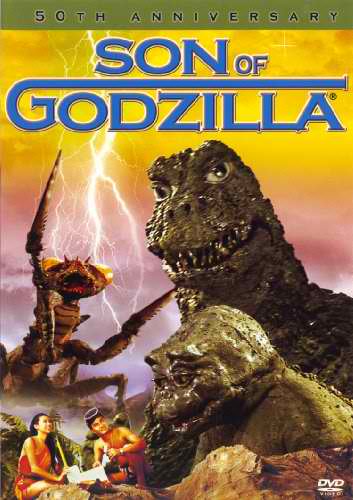
Son of Godzilla

Sony

While Sony never gave their releases the star treatment Classic Media did, they were still a step up.  Like Ebirah, this 2004 disc features widescreen presentation and dual language tracks.  The only supplements are trailers for other Sony films released at the time.  Unfortunately, for whatever reason, this one has gone out-of-print and skyrocketed in price.

Buy it here.

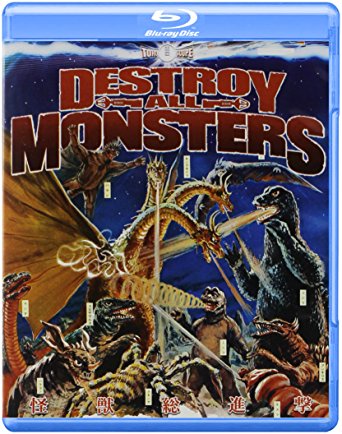
Destroy All Monsters

Media Blasters/Tokyo Shock

While this was originally released by the now defunct ADV Flms twice (one edition including a soundtrack), this edition is much easier to find.  Unlike ADV’s releases, it has a menu, dual language tracks, and a few special features, including a commentary. This is also the Japanese edit of the film, so fans can see the original opening credits. Unfortunately, production of the original print run was halted by Toho, so current prints of this disc doesn’t include the special features.

Buy it here.

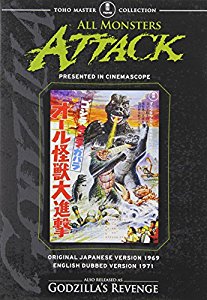
All Monsters Attack (aka Godzilla’s Revenge)

Classic Media

As usual, Classic Media gives even what’s considered the worst G-film the star treatment.  Widescreen presentation.  Both the Japanese and American versions of the films (although they aren’t that dissimilar other than the dubbing and credits).  Special features include a commentary and a biography on director Ishiro Honda.

Buy it here.

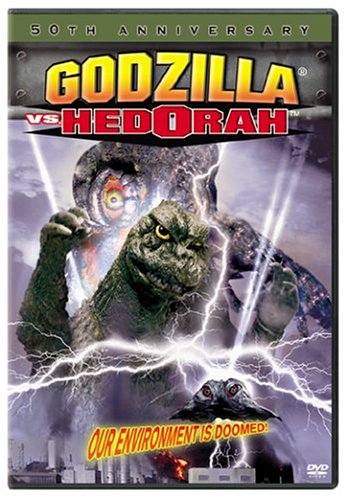
Godzilla vs. Hedorah (aka Godzilla vs. the Smog Monster)

Sony

Once only available as an out-of-print VHS from the long-gone Orion Home Video, Sony released it on DVD in 2004 . It has no special features beyond a few trailers for other Sony films, as usual.  It has dual language tracks, including a different English dub than what was used in the VHS. Unfortunately, the film’s (in)famous theme song, “Save the Earth,” remains in Japanese unlike in the other dub.  Still, it’s a solid release. This is the edition I own.

Buy it here.

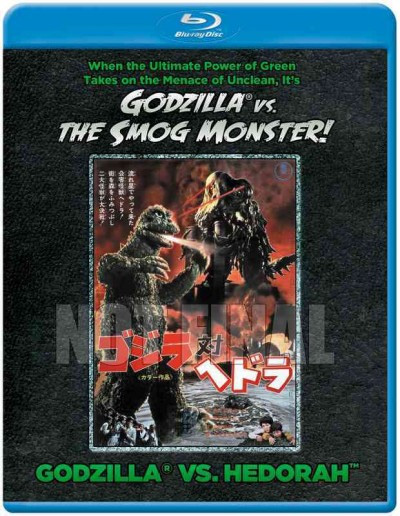
Kraken Releasing (Recommended!)

It you must have a Blu-Ray, look no further.  The Sony DVD is a little harder to find, but other than the inclusion of the film’s original trailer, this is essentially the same as the former.  Brian has this edition.

Buy it here.

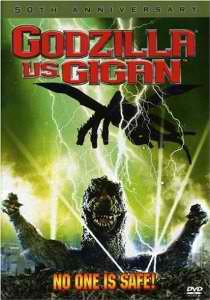
Godzilla vs. Gigan (aka Godzilla on Monster Island)

Sony

This is pretty much the same story here as with Sony’s other 2004 Godzilla DVDs, though with a few things worth noting.  The subtitles are basically transcripts of the dubbed dialogue as opposed to direct translations of the Japanese dialogue.  The other issue is, since this is the international version of the film, it doesn’t include the comic book-style speech bubbles that appear over Godzilla’s head when he “talks” to Anguirus; there’s only garbled noises, making those scenes confusing.  They were dubbed—yes, dubbed—in the English language version. (You can watch the scenes with speech bubbles on YouTube, though).  I own this edition.

Unfortunately, I can’t find this version on Amazon anymore.

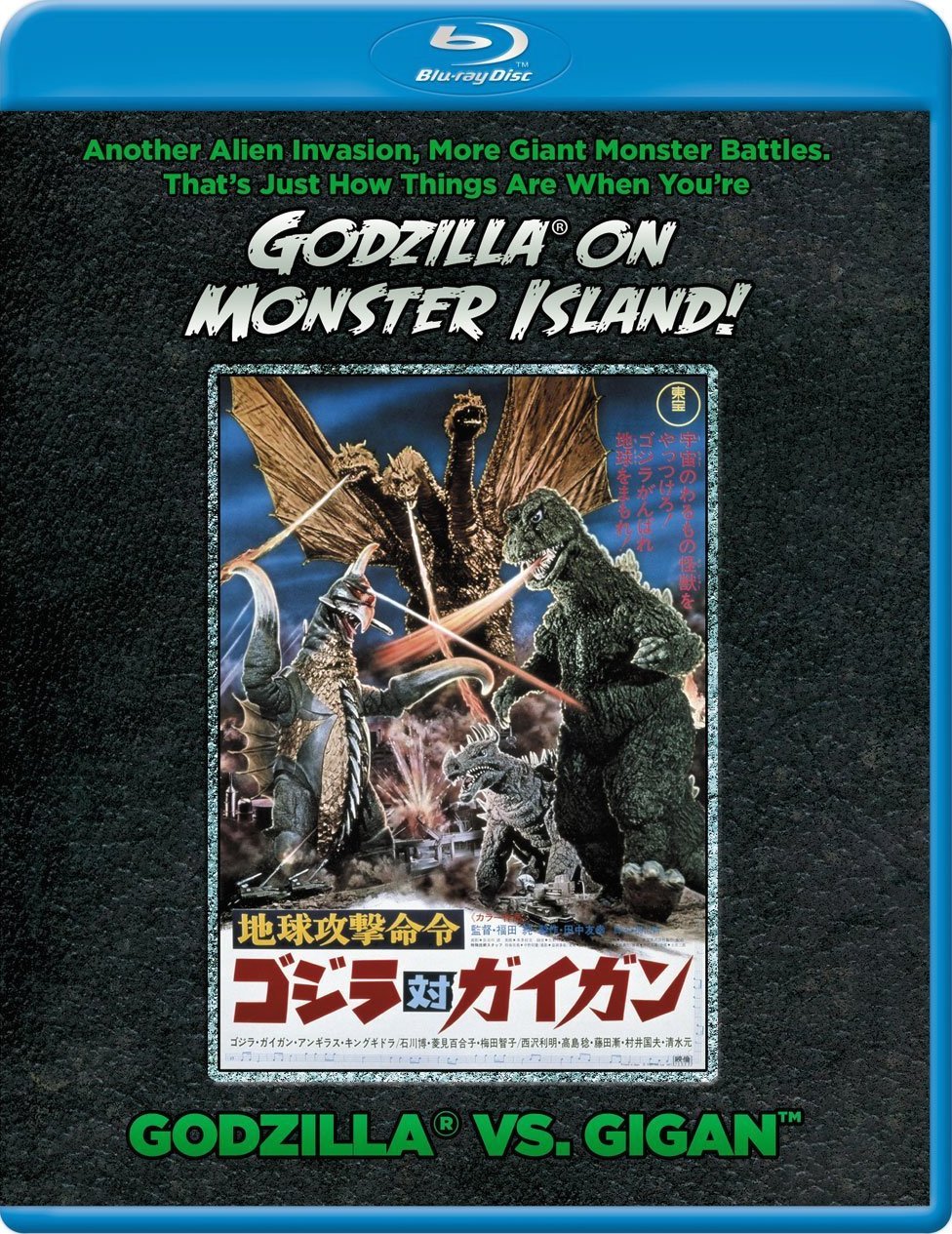
Kraken Releasing (Recommended!)

Essentially the same as the Sony DVD (though some say the picture quality isn’t as good).  Like the other Kraken Releasing Blu-Rays, it includes the film’s original trailer.  If you want a Blu-Ray, buy this.  Brian owns this one.

Buy it here.

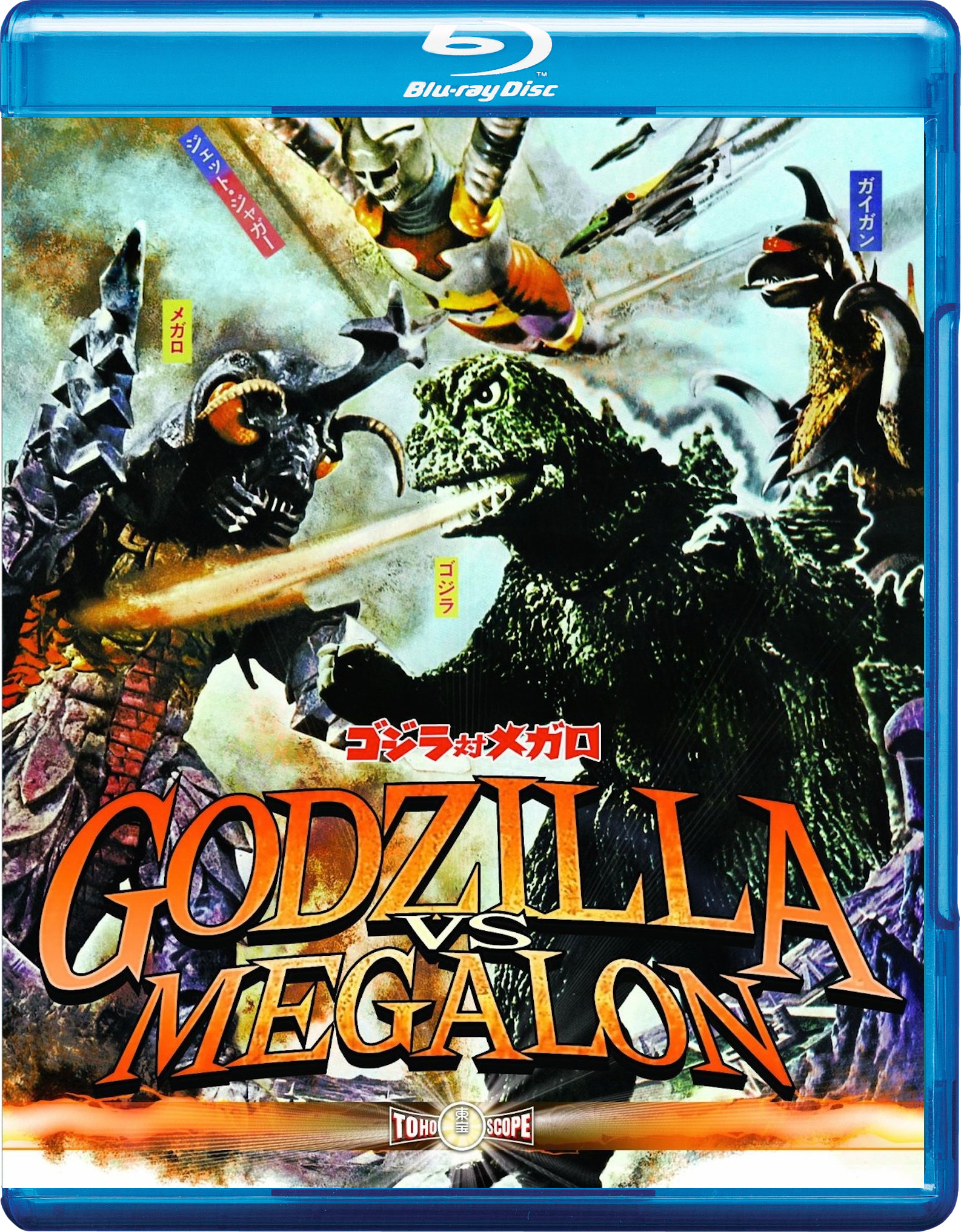
Godzilla vs. Megalon

Media Blasters/Tokyo Shock

It took years of terrible unlicensed releases and a lot of finagling, but Media Blasters finally gave this, arguably the most-watched Godzilla movie, an official release. Unfortunately, Toho delayed this release for nearly a year, and then only a barebones DVD and later a Blu-Ray was put out.  Ironically, some DVD copies containing special features were accidentally printed and released.  These go for a pretty penny on Amazon if found.

Buy it here by itself or here with Destroy All Monsters.

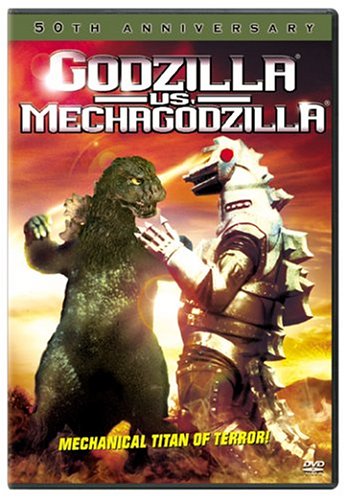
Godzilla vs. Mechagodzilla (aka Godzilla vs. the Cosmic Monster, Godzilla vs. the Bionic Monster)

Sony

Remember what I said about Sony’s other 2004 DVDs?  Same story here: widescreen presentation, dual language tracks, and a few mostly unrelated trailers.  There’s an omission in the subtitles, though.  In a scene where a scientist talks about his special pipe, the crazy-sounding metal it’s made of is subtitled, “a???” Either the subtitler forgot to add it before the disc was released or he didn’t bother to figure out how to write it. Some people—like me—may find this humorous.

Buy it here.

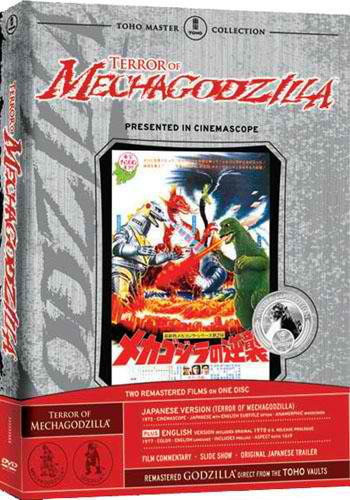
Terror of Mechagodzilla

Classic Media

This is arguably Classic Media’s best release next to Gojira/Godzilla, King of the Monsters.  It includes the original Japanese version, which is the biggest plus.  However, unlike with the other DVDs, the American version in this one is the “extended” cut shown on television.  It contains most of the original Japanese footage (except for some brief “nudity” during a medical operation) and a “history of Godzilla” sequence made by editing together footage from several 1960s Godzilla films.  This was done to pad out the film to fit in a two-hour timeslot.  Both versions are in widescreen (except for the aforementioned “history of” sequence, but the aspect ratio switches when it’s done).  It includes an entertaining commentary and an image gallery, but no other special features, which is the only downside.  This is a must-have.

Buy it here.

Come back next week for Part Two!

Lucky Dragon No. 5: Still an Anti-Nuclear Symbol

The Lucky Dragon No. 5 today. (Image courtesy of Wikipedia).

Every Godzilla fan knows the story of the Lucky Dragon No. 5 (Daigo Fukuryu Maru). It was a fishing vessel that was exposed to nuclear fallout from the Castle Bravo test. While it was outside the predicted danger zone, the H-bomb detonated by the U.S. on the Bikini Atoll was far more powerful than expected, and on March 1, 1954, the 23-man crew of the ship were contaminated by the radiation. All of them suffered radiation poisoning and one died.

This event was fresh on the minds of the creative team at Toho working on Gojira. It’s why the film opens with a scene of a fishing vessel being destroyed by a blinding flash, which turns out later to have been Godzilla, and why it was implied that Godzilla was awakened and mutated by American H-bomb tests.

The Japanese newspaper Asahi Shimbun was recently granted a rare chance to tour the inside of the now 70-year-old ship, which was decommissioned in 1967 and later moved in 1976 to the Yumenoshima district of Tokyo’s Koto Ward and preserved in a museum in the Daigo Fukuryu Maru Exhibition Hall. They took several photos and 360-degree images of the boat. You can view them here.

To this day, the ship remains a symbol of the anti-nuclear movement in Japan. Along with the bombings of Hiroshima and Nagasaki at the end of World War II, this was one of the most potent and palpable examples of the “nuclear curse” on Japan. It was a demoralizing blow to the Japanese psyche, which was suffering other repercussions from nuclear tests at the time, such as contaminated fish being caught in their waters. It wasn’t until the 3/11 disasters, which included the Fukushima meltdown, that Japan suffered as large a nuclear-related incident. These led to an increase in distrust of nuclear power and the shutdown of many nuclear plants. This is problematic given that Japan is in desperate need of domestic energy sources since, being an island nation, they have to import most of them.

You might think it’s crazy, then, that anyone in Japan would want to preserve a ship that reminds them of this “curse.” I think the Japanese do it for that very reason. It allows them a means to look back on their past and remember their convictions. These events have made indelible marks on their history and culture, and they can’t afford to forget them.

Kaijuvision Radio at G-Fest XXIV Report

By Brian Scherschel

Our first G-Fest has come and gone!  We had a great experience.  Thankfully, there were two of us so we were able to split up and cover the panels and other events during the three-day show.

First, during the “Mothra Mania” panel on Friday, we were surprised by a great performance by two cosplayers who sang “Mothra’s Song” as the Shobijin, Mothra’s twin fairies.

https://youtu.be/DC9_sdXTPsA

There were costumes and cosplayers in abundance during the convention.

We attended the costume contests, which featured some really impressive entries.

It was fun to see all of the films at the Pickwick Theatre.  Watching the movies with a huge group of fans was different than watching them with a general audience.  They would cheer and applaud at key moments like when a kaiju or favorite actor first appeared, or when Godzilla defeated his foe.

The Pickwick Theatre, built in 1928 in Park Ridge, Illinois

The films offered this year were “King Kong vs. Godzilla” (1963 International Version), “Dragon Wars: D-War” (2007), “Godzilla X Megaguirus” (2000), “Godzilla” (2014), “Kong: Skull Island” (2017), and “Shin Godzilla” (2016).

The Pickwick Theatre marquee

Because I’m a violinist who has great admiration for her work, I opted to meet the very talented composer Michiru Oshima, who wrote the music for “Godzilla X Megaguirus” (2000), “Godzilla Against Mechagodzilla” (2002), and “Godzilla: Tokyo S.O.S.” (2003).

Brian Scherschel (left)
Composer Michiru Oshima (right)

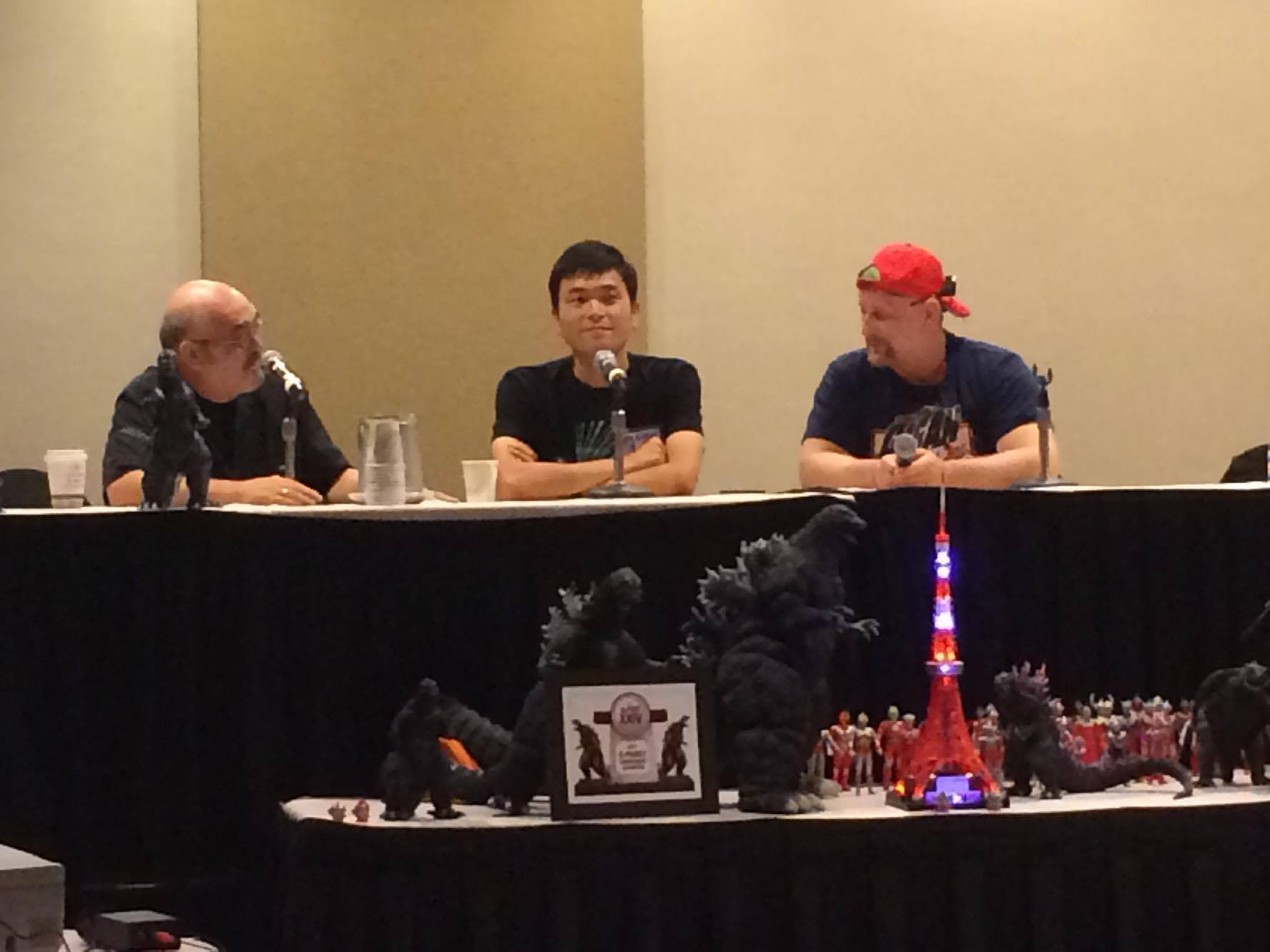
Nathan met headlining G-guest Shinji Higuchi, the co-director and special effects director for “Shin Godzilla” (2016).  

Most noteworthy, Nathan was also asked to join “The Art of Kaiju Writing” panel about writing kaiju fiction.

We also both met Robert Scott Field, who played the android M-11 in the film “Godzilla vs. King Ghidorah” (1991).  Since he lives in Osaka, he was able to give fans, including myself, information about what’s been happening lately in his adopted country at his “Japan Update” panel.

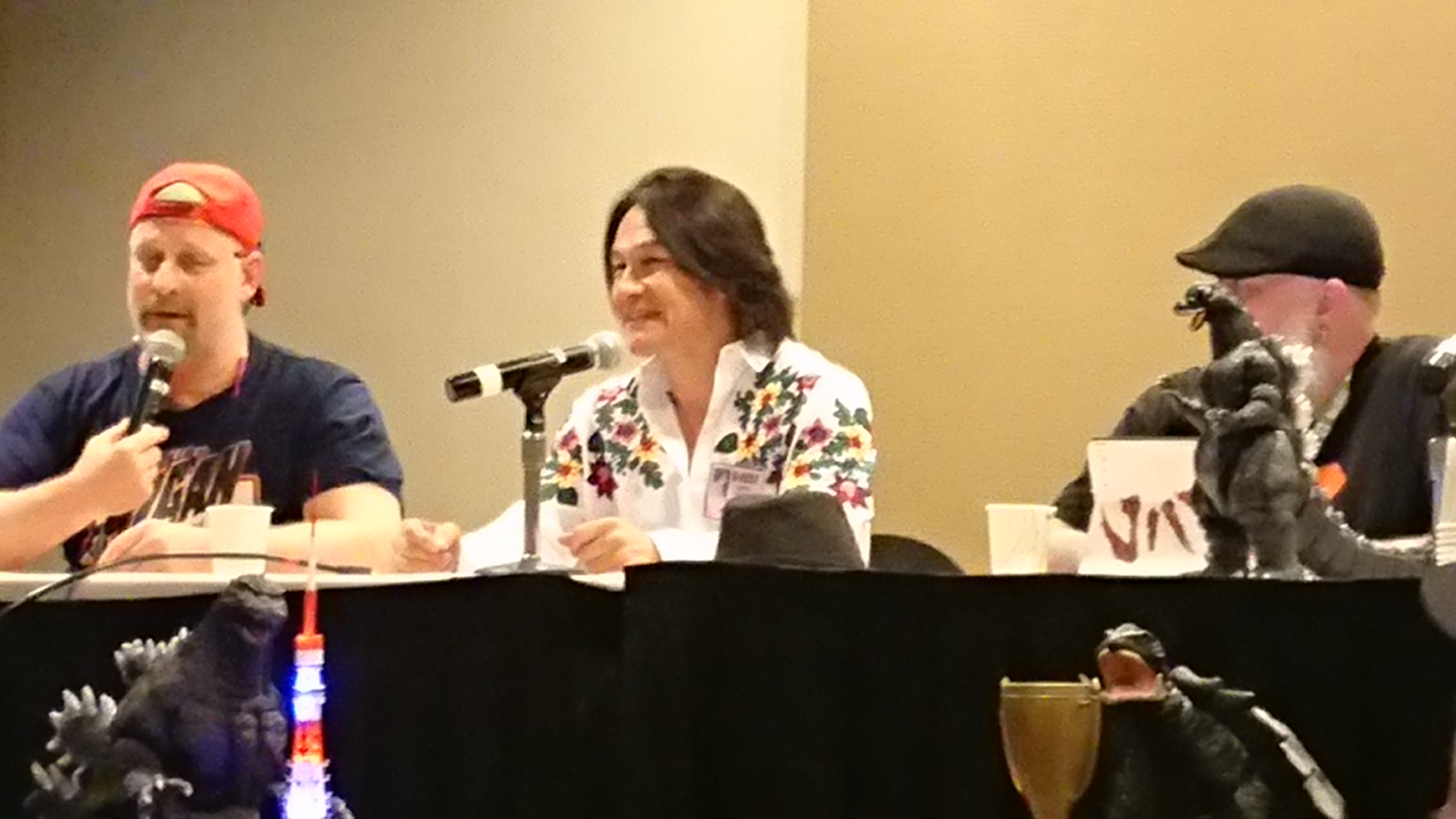
Here are pictures from some of the G-Guests we saw.  It’s awesome that they traveled to the U.S. to visit with us and tell us about their Godzilla experiences.

Archie Waugh (left)
Assistant film director Kazuhiro Nakagawa (middle)
Actor and translator Robert Scott Field (right)

Actor and translator Robert Scott Field (left)
Suitmation actor, actor, and stunt performer Ryuki Kitaoka (middle)
Host of Kaijucast Kyle Yount (right)


It’s only been a few days since the convention, and Nate misses it already, while I’m getting caught up on rest.  

Now my mind is buzzing with ideas about how to continue to make this podcast even better after all we learned and experienced last weekend.

Kaiju, Tourism, and ‘Cool Japan’

by Nathan Marchand

If a kaiju appeared in a city, I bet it’d make you more likely to visit it. Any self-respecting kaiju fan probably would.

Crazy, right?

Well, that’s what the cities of Kita-Kyushu and Shimonoseki in the Yamaguchi Prefecture have been doing for several months. To promote tourism to their cities, they released an online video featuring a kaiju emerging from the Kanmon Straits, which separates the islands of Honshu and Kyushu. Here’s the video:

The bizarre creature is composed of local specialties found in nearby waters, like pufferfish and octopuses, and is supposed to be a reincarnation of the Heikegami, a Japanese crab, which is said to be possessed by the fallen warriors of the Heike clan defeated at the Battle of Dan-no-ura in 1185. (This sounds easily similar to Godzilla’s origin in GMK, doesn’t it?) In other words, it’s packed full of local flavor. (Personally, in distant shots, I think the creature almost looks to have an unmasked Predator face).

The video was originally done in English so as to draw international attention, but it was also subtitled into several other languages.

The creature is humorously defeated by the water current because the Kanmon Straits have one of the fastest tides in the world, with speeds up to 10 knots (about 12 mph). Not only that, but the special effects team that worked on Toho’s latest Godzilla film, Shin Godzilla, created the effects in this promotional short.

While this technically isn’t Godzilla, it’s certainly a byproduct of the longstanding kaiju tradition started by the original 1954 film Gojira. So, these cities are vicariously tapping into Godzilla to promote tourism. It’s also an expression of Japan’s “gross national cool” (or “Cool Japan”). This was a term coined by Douglas McGray in Foreign Policy magazine in 2002. As Japan’s pop culture—J-pop, manga, anime, etc.—has infiltrated other nations and exploded in popularity, it has created an appealing image for its native country while also being quite profitable. The Japanese government has sought to use this “soft power” (indirect influence through cultural or ideological means) for economic growth. To bring it back to the kaiju video, the fact that this short was intended to be seen internationally shows how prominent and widespread the kaiju culture is and how closely it’s tied to “Cool Japan.” In other words, it’s an international cultural touchstone. Godzilla and kaiju still remain relevant.

You can learn more about the short film here.